
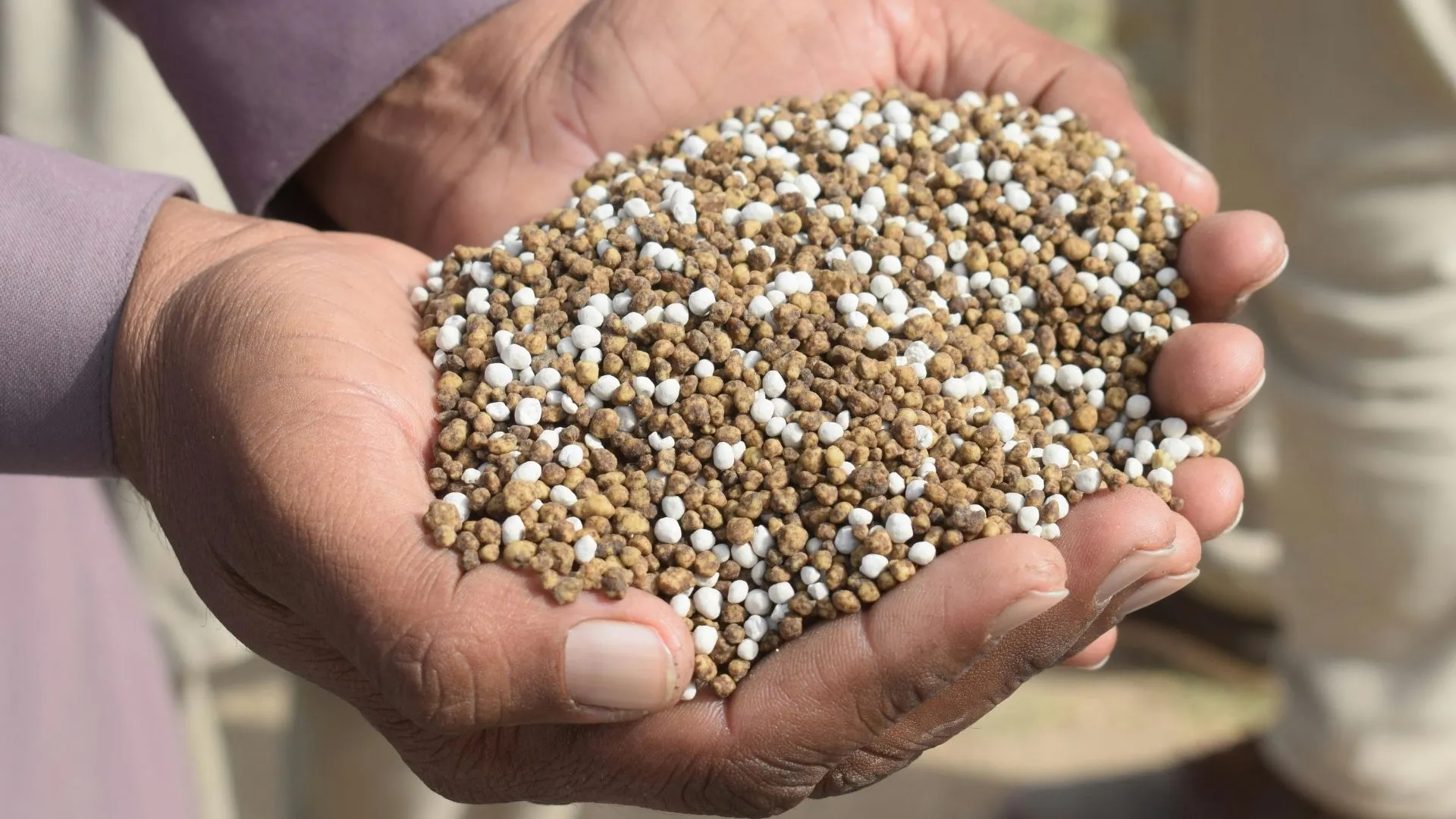
The Turkish Fertilizer Market: Producers, Companies, Supply Chain, and the Future.
Turkey is an important agricultural country thanks to its geographical location and vast agricultural lands. This situation places the fertilizer sector, one of the basic inputs of agricultural production, in a strategic position. The fertilizer market is vital for both national food security and rural development.
The sector encompasses a vast ecosystem related to the production, distribution, and use of plant nutrition products. Farmers' efforts to achieve high-yield and high-quality crops keep the demand for fertilizers constantly high. This demand shapes the capacity development of domestic producers and the market strategies of companies.
Numerous manufacturers and companies in the market respond to agricultural needs by offering a variety of fertilizer types. Chemical, organic, and organomineral fertilizers vary according to the specific requirements of the soil and the plant. This diversity is also a reflection of modern agricultural practices.
Today, the fertilizer sector stands out not only for its production capacity but also for its sustainability and technological innovations. Environmentally friendly production techniques and smart fertilization solutions are among the key factors shaping the future of the market. The Turkish fertilizer market plays an active role in this transformation process.
Production Dynamics and National Contribution in the Turkish Fertilizer Sector
Production Dynamics and National Contribution in the Turkish Fertilizer Sector
The Turkish fertilizer sector plays a key role in achieving the country's goal of self-sufficiency in agricultural production. Domestic production capacity is of great importance in reducing dependence on foreign sources and providing farmers with products at more affordable costs. In this context, the production of nitrogen, phosphate, and potassium fertilizers forms the basis of the sector. Factories throughout the country meet market demands by producing with modern technologies.
Fertilizer production generally relies on raw materials such as natural gas, phosphate rock, and potash. While Turkey is dependent on imports for some of these raw materials, it is developing strategies to effectively utilize local resources. Companies in the sector are striving to achieve cost advantages by optimizing production processes and increasing energy efficiency. These efforts make a valuable contribution to the national economy.
Domestic fertilizer producers are focusing on developing next-generation fertilizers by investing in R&D activities. This results in innovative approaches to plant nutrition solutions. In particular, specialized products such as microelement fertilizers and plant growth regulators are increasing the market's growth potential. The sector aims to keep pace with constantly evolving agricultural techniques and offer farmers the most suitable products.
Quality standards in production are a decisive factor in gaining the trust of farmers and increasing the competitiveness of products. The Turkish fertilizer sector stands out with its products that possess national and international quality certifications. This provides significant advantages in both the domestic market and exports. For more information and analysis... You can visit our blog page..
Domestic Production Capacity and Raw Material Resources
Türkiye's fertilizer production capacity, especially nitrogen fertilizers This is at a significant level. Local production of strategic products such as urea and ammonium nitrate reduces import dependence. However, the raw material needs for phosphate and potassium fertilizers are generally met from foreign sources. This constitutes a cost item for the sector.
Local producers are working to utilize existing raw material resources in the most efficient way. For example, research is ongoing into using raw materials obtained from local mines in fertilizer production. Such initiatives will strengthen the sustainability of the national fertilizer industry. Diversifying raw material sources is also important for price stability.
Modernizing production facilities and increasing capacity are among the sector's priorities. New investments enable production with higher efficiency. This allows both domestic market demand to be met and export potential to be increased. Domestic fertilizer production makes significant contributions to the Turkish economy.
Local Approaches to Fertilizer Diversity
The Turkish fertilizer market offers a wide range of products to meet different plant and soil needs. In addition to traditional NPK fertilizers, organomineral fertilizers Specialized plant nutrients are also attracting great interest. These products support plant health by improving the physical and chemical structure of the soil.
Local producers offer farmers customized fertilization solutions through soil analysis and agricultural consulting services. This helps prevent unnecessary fertilizer use and reduces environmental impact. Different formulations are developed specifically for greenhouses and open farmlands. This approach helps maximize productivity.
Liquid fertilizers are increasingly preferred in modern agriculture due to their integration with drip irrigation systems. Powder fertilizers, on the other hand, offer different application methods. This variety provides farmers with flexibility and ease of application. The sector, with its dynamic structure, adapts rapidly to the needs of farmers.
Fertilizer Companies' Market Strategies and Distribution Networks
Companies operating in the Turkish fertilizer market are developing various market strategies to position themselves in a competitive environment. These strategies encompass product development, pricing, distribution, and marketing activities. Firms shape their product portfolios by analyzing farmers' needs and considering regional differences.
Leading fertilizer companies in the market generally have a wide product range and a strong distribution network. They reach farmers through dealer networks, cooperatives, and direct sales channels. Logistics and supply chain management are crucial for timely and appropriate delivery of products, ensuring uninterrupted agricultural operations.
Pricing strategies are determined by considering both raw material costs and market conditions. Companies may offer incentives such as campaigns, installment options, and seasonal discounts for farmers. This facilitates access to fertilizers, contributing to the sustainability of agricultural production. In this highly competitive market, customer satisfaction is prioritized.
Marketing and communication activities also play a significant role in companies' strategies. They introduce their products and innovations to farmers through trade fairs, agricultural publications, and digital platforms. These informational efforts help farmers make informed choices. Combined with new technologies, these promotions increase the dynamism of the sector.
Leading Fertilizer Companies and Brands
The Turkish fertilizer market is home to many significant companies, both domestic and internationally owned. These firms stand out with their large production capacities and extensive distribution networks.
International fertilizer companies also have a presence in the Turkish market through representations or partnerships. This enriches the competitive structure of the market. Companies respond to the specific needs of farmers by offering fertilizer formulations tailored to different plant types and soil conditions. Brand recognition and product quality are influential factors in farmers' choices.
Some companies offer integrated solutions that go beyond just fertilizer production, also including other agricultural inputs such as plant protection products and seeds. These holistic approaches provide farmers with the convenience of accessing services from a single source. The market is constantly evolving with new products and services, offering farmers better options.
Supply and Logistics Innovations in Reaching Farmers
Ensuring that fertilizers reach farmers in a timely and efficient manner is critical to the productivity of agricultural production. Fertilizer companies in Türkiye, It is constantly optimizing its logistics networks.. The strategic location of storage facilities and modern transportation methods form the basis of this process. Distribution channels are shaped according to regional needs.
Digitalization offers new opportunities in supply chain management. Online ordering platforms and tracking systems facilitate farmers' access to fertilizers, thus providing a faster and more transparent service compared to traditional methods. In particular... seasonal agricultural risks In emergencies like these, rapid supply is of paramount importance.
Structures such as cooperatives and agricultural chambers help fertilizers reach farmers with the advantage of bulk purchasing. These models enable small and medium-sized farmers to access fertilizers at more affordable prices. In addition, mobile fertilization services and technical support help farmers choose the right product and application method. The distribution network is expanding, taking regional differences into account.
The Fertilizer Sector in Sustainability and Green Transformation
The Fertilizer Sector in Sustainability and Green Transformation
The Turkish fertilizer sector is undergoing a significant transformation in line with global climate change and environmental sustainability goals. Reducing the environmental impact of traditional fertilization methods is one of the sector's top priorities. In this context, Development and dissemination of environmentally friendly fertilizers It is of great importance.
Sustainable agricultural practices aim to protect soil health and increase biodiversity. In line with this vision, fertilizer companies are investing in production techniques that reduce their carbon footprint. Furthermore, smart fertilization systems encourage the use of fertilizers only as needed by plants. This both protects the environment and increases resource efficiency.
Organic and organomineral fertilizers have become an indispensable part of sustainable agriculture. These products enrich the organic matter content of the soil, increasing productivity in the long term. They help reduce the negative effects that may arise from the overuse of chemical fertilizers. The sector is accelerating R&D efforts in this area.
Reducing water pollution and greenhouse gas emissions are among the environmental responsibilities of the fertilizer industry. Companies pay close attention to waste management and recycling practices in their production processes. Furthermore, they offer training and consultancy services to farmers on the efficient use of fertilizers. This holistic approach forms the basis of the green transformation.
Environmentally Friendly Fertilization and Organic Solutions
Environmentally friendly fertilization approaches focus on conserving natural resources. In this context, slow-release fertilizers Controlled-release fertilizers stand out. These fertilizers deliver nutrients to the plant over a longer period and in a controlled manner, minimizing leaching losses. This both meets the plant's needs and reduces environmental impact.
With the rise of organic farming, the demand for organic fertilizers derived from animal manure, compost, and plant waste has increased. These products contribute to a healthier ecosystem by supporting the microbial activity of the soil. Organically certified products are also increasingly preferred by consumers. This is creating a new segment of the market.
Biostimulants and microbial fertilizers offer innovative solutions that support plant growth through natural means. These products increase the plant's resistance to stress conditions while optimizing nutrient uptake. Environmentally friendly solutions improve both soil health and the quality of agricultural products. Technological advancements in this field are promising for the sector.
Next Generation Fertilizers Arising from R&D and Innovation
The Turkish fertilizer sector is preparing for the future with its investments in R&D activities. Developments in fields such as nanotechnology and biotechnology, the emergence of new generation fertilizers This prepares the ground. These innovative products enable more effective and efficient use of plant nutrients. Smart fertilizers can be integrated with precision agriculture practices.
Smart fertilizers can release nutrients in response to environmental factors such as moisture and soil pH levels. This ensures that plants receive the necessary nutrients at the right time and in the right amount. Such technologies reduce costs and minimize environmental impact by preventing fertilizer waste. Innovative products like Ashley Fert Plus, This is a fine example of progress in this field.
Digital farming platforms and sensor technologies enable fertilization decisions to be based on more scientific data. This allows farmers to fertilize according to the actual needs of their soil and plants. Innovation is not limited to product development but is also transforming fertilizer application methods. The sector increases its competitiveness by closely following technological developments.
Government Policies, Subsidies, and Future Projections
The fertilizer sector in Türkiye is significantly influenced by government policies and agricultural subsidies. The government's agricultural production targets and food security strategies directly determine fertilizer consumption and market dynamics. Therefore, there is continuous dialogue and cooperation between sector representatives and public authorities.
Implemented by the Ministry of Agriculture fertilizer subsidies, These measures aim to reduce production costs by making fertilizers more accessible to farmers. These subsidies are particularly vital for small and medium-sized farmers. Mitigating the impact of fertilizer price fluctuations on farmers is one of the main objectives of these policies.
Regulations in the sector oversee the quality standards, ingredient information, and packaging of fertilizers. This ensures that farmers have access to reliable and effective products. Furthermore, legal frameworks are being established to minimize the environmental impact of fertilizers. These regulations increase market transparency and reliability.
Future projections indicate that the Turkish fertilizer market will show stable growth. Population growth necessitates increased agricultural productivity. To meet this demand, the sector must both expand its production capacity and offer innovative products. The government's sustainable agriculture policies will also support this growth.
Ministry of Agriculture Support and Fertilizer Subsidies
The Ministry of Agriculture and Forestry offers various fertilizer subsidies to ensure the sustainability of agricultural production. These subsidies may be specifically aimed at certain plant production areas and strategic products. Soil analysis support Practices like these encourage the correct and responsible use of fertilizers. This prevents resource waste and provides environmental benefits.
Fertilizer subsidies allow farmers to expand their crop areas by easing their fertilizer costs. These supports improve farmers' cash flow, especially during planting seasons. Subsidies may vary for specific fertilizer types or regions. This helps preserve regional agricultural diversity.
The effectiveness of support policies is regularly evaluated and updated in line with farmer feedback. The aim is to increase access to fertilizers while simultaneously improving agricultural productivity and quality. Government support makes a significant contribution to the overall stability of the Turkish fertilizer market.
Future Scenarios for the Turkish Fertilizer Market
The Turkish fertilizer market in the coming period growth focused on technological innovations and sustainability. This will demonstrate that the widespread adoption of smart farming practices will increase the use of precision fertilization techniques. This will further diversify the market's product range. Digitalization will make supply chain management more efficient.
With the increasing interest in organic farming, the market share of organic and organomineral fertilizers will grow. Rising environmental awareness will give companies adopting eco-friendly production methods a significant advantage. Export potential presents a major opportunity for neighboring countries and Middle Eastern markets.
Fluctuations in global raw material prices and exchange rate changes will continue to affect market dynamics. However, strengthening domestic production and shifting towards alternative raw material sources will help mitigate these risks. The Turkish fertilizer market has a highly adaptable and dynamic structure.
Frequently Asked Questions
What are the advantages of organic fertilizers over chemical fertilizers?
Organic fertilizers contribute to long-term soil health by increasing the organic matter content and microbial activity of the soil. They also improve nutrient uptake by plants and reduce the risk of environmental pollution.
Why is sustainability important in the fertilizer supply chain?
A sustainable supply chain minimizes environmental impact while considering economic efficiency and social responsibility. This ensures the efficient use of resources and protects the needs of future generations.
How do government subsidies affect the fertilizer market?
Government support and subsidies reduce production costs by providing farmers with more favorable access to fertilizers. This positively impacts the sustainability of agricultural production and food security.
What are the new generation fertilizer technologies?
New generation fertilizer technologies include slow-release and controlled-release fertilizers, nanofertilizers, biostimulants, and microbial fertilizers. These technologies aim to increase efficiency and environmental sustainability in plant nutrition.
 Türkçe
  English