
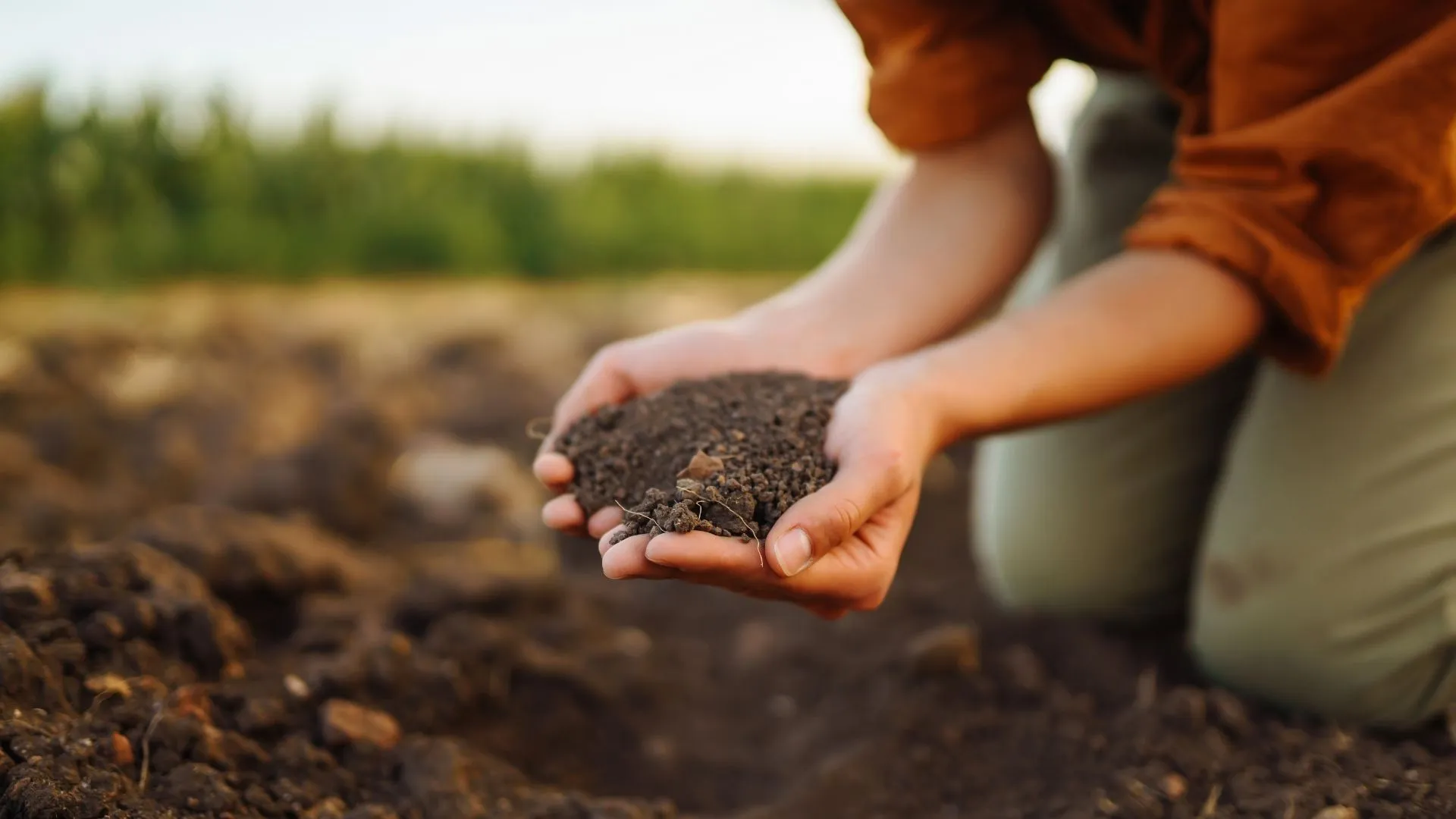
Innovative Solutions for High Yield and Plant Health: Harvesting Strategies
Innovative Solutions for High Yield and Plant Health: Harvesting Strategies. Modern agriculture faces dual pressure: feeding a growing global population while simultaneously conserving limited natural resources. The challenges posed by climate change, water scarcity, and declining soil fertility have called into question the sustainability of traditional farming methods.
In this context, to increase productivity in agricultural production and to ensure plant health innovative solutions This is of vital importance. Modern agriculture, with the opportunities offered by science and technology, aims to both maximize production and minimize environmental impact.
These new approaches have the potential to optimize every stage of the process, from soil to table. Elements such as smart farming practices, biological pest control methods, and data-driven management systems are shaping the future of agriculture. Thanks to these solutions, farmers can make more informed decisions and use their resources more effectively.
Harvest enhancement strategies now extend beyond simple fertilization and irrigation routines. A wide range of innovations exist, from genetic improvements and climate-resistant plant varieties to precision farming equipment and biostimulants. This content will examine in detail the most current approaches developed for high yield and plant health, and their potential for increasing harvests.
Our aim is to show how our farmers and agricultural professionals can benefit from these innovative solutions. Identifying the right strategies for sustainable and profitable agriculture will make a significant contribution to the food security of the future. In this way, both the environment will be protected and lasting success will be achieved in agricultural production.
Smart Production with Precision Agriculture Technologies
Precision agriculture is a modern approach that identifies the specific needs of each section of the field and uses resources accordingly. Unlike the homogeneous application approach of traditional agriculture, it achieves significant increases in productivity through variable-rate applications. This system operates using data obtained from satellite imagery, drones, and field sensors.
Thanks to these technologies, farmers can monitor parameters such as soil structure, moisture level, nutrient content, and plant health in their fields in real time. The detailed data obtained plays a critical role in determining the correct amount of fertilizer, water, and pesticides for each square meter. This prevents unnecessary resource waste and ensures that plants grow under optimal conditions.
Precision farming practices not only increase productivity but also contribute to environmental sustainability. Optimizing the use of chemical fertilizers and pesticides helps reduce soil and water pollution. Furthermore, it increases farmers' profitability by saving on energy and labor costs.
The effective use of these systems represents one of the most important steps in the future of modern agriculture. They offer solutions adaptable to the specific conditions of every farm, regardless of size. Companies like Fernabio... b2b.fernabio.com The innovative product range it offers facilitates farmers' access to these technologies.
Smart Irrigation Systems and Moisture Management
Water is one of the most valuable resources in agricultural production, and smart irrigation systems ensure that this resource is used in the most efficient way. These systems utilize components such as soil moisture sensors, weather data, and sensors that measure plant stress levels. Based on the collected data, it is determined exactly when and how much water the plants need.
This prevents over- or under-watering, which are common problems in traditional irrigation methods. When combined with methods such as drip irrigation and micro-spraying, water loss is minimized, and water is supplied directly and regularly to the plant roots. This prevents plants from experiencing water stress and creates optimal growth conditions.
Smart irrigation systems also reduce labor costs thanks to their automation capabilities. Their remotely controllable and programmable structures offer flexibility to farmers. These technologies are critically important, especially in regions with limited water resources and areas experiencing the effects of climate change.
Variable Rate Applications and Target-Oriented Feeding
Variable rate applications (VRA) are a cornerstone of precision agriculture and have completely transformed plant nutrition strategies. This method analyzes soil characteristics and plant nutrient needs in different areas of the field individually. It then allows for the application of fertilizers, seeds, or plant protection products in amounts specific to each area.
NDVI (Normalized Difference Crop Index) maps, obtained via satellite imagery or drones, show variations in plant growth. Based on these maps, unproductive or overproductive areas of the field are identified. This allows inputs such as fertilizers to be applied only where and in the required quantities.
This targeted feeding reduces costs and minimizes environmental impact. Plants thrive and reach higher yield potential when they receive exactly the nutrients they need. Furthermore, the risk of nutrients being leached from the soil and contaminating groundwater is minimized.
Increasing Plant Resistance with Biological Solutions
Modern agriculture is shifting towards more natural and sustainable methods by reducing reliance on chemical inputs. Biological solutions are innovative approaches that utilize natural processes and organisms to improve plant health and yield. These methods strengthen plant resistance to stress conditions and support soil biodiversity.
Biostimulants, beneficial microorganisms, and biological pesticides are among the leading solutions. They activate the natural defense mechanisms of plants, making them more resistant to diseases and pests. This reduces the need for chemical spraying, increases food security, and minimizes damage to the ecosystem.
Improving soil health is one of the fundamental goals of biological solutions. Healthy soil fosters rich microbial life and allows plants easier access to nutrients. These approaches are fully compatible with sustainable agriculture principles and secure the future of agricultural production in the long term.
These products, free from chemical residue concerns, are indispensable, especially for farmers practicing organic farming. However, farmers using conventional farming methods can also benefit from these solutions to make their production more environmentally friendly. Biological solutions offer a holistic approach that increases both productivity and product quality.
Contribution of Biostimulants to Yield
Biostimulants are substances used to enhance the growth, development, and stress resistance of plants. Although they are not direct plant nutrients, they optimize the uptake and utilization of nutrients. They are generally derived from natural sources such as plant extracts, amino acids, humic and fulvic acids.
These products promote root development, increase flowering, and strengthen fruit set in plants. They also significantly increase the resistance of plants to abiotic stress conditions such as drought, salinity, extreme heat, or cold. In this way, they help plants maintain healthy growth even under adverse environmental conditions.
The use of biostimulants enables plants to absorb nutrients from the soil more efficiently. This allows for a reduction in the amount of fertilizer to be used. Their positive effects on plant health and yield increase make them an indispensable part of modern agriculture.
Soil Microorganisms and Healthy Root Development
Soil is a living ecosystem home to billions of microorganisms. Bacteria, fungi, and other microbes play a critical role in plant growth and soil health. These organisms break down organic matter, releasing nutrients for plants and improving soil structure.
Beneficial microorganisms form symbiotic relationships with plants, particularly concentrating in the root zone. Mycorrhizal fungi increase the surface area for plant water and nutrient uptake, while nitrogen-fixing bacteria convert atmospheric nitrogen into a form usable by plants. These interactions enable plants to develop healthy and strong root systems.
Plants with strong root systems absorb nutrients better and are more resistant to drought. Practices that support soil microflora help reduce the use of chemical fertilizers and pesticides. This results in healthier soils and more productive crops, aiming for long-term sustainable agriculture.
Digital Agriculture and Data-Driven Decision-Making Mechanisms
Digital agriculture represents a paradigm shift transforming modern farming practices. It operates through the integration of technologies such as sensors, drones, satellite imagery, and artificial intelligence. These systems collect real-time and comprehensive data from fields, enabling farmers to make informed decisions.
Thanks to data-driven decision-making mechanisms, the specific needs of each plant or area in the field can be analyzed. All agricultural activities, such as irrigation, fertilization, and pest control, are optimized according to the collected data. This approach ensures more efficient use of resources and eliminates unnecessary costs.
Digital farming platforms allow farmers to monitor and manage their fields remotely. Information such as weather forecasts, plant growth status, and potential disease risks can be accessed via smartphone or tablet applications. This enables timely intervention and prevents yield losses.
These technologies make agricultural production more predictable and sustainable. Farmers can more accurately predict future harvest potential based on historical data. Digitalized agriculture promises to provide both producers and consumers with safer and higher-quality products.
Agricultural Data Analysis and Predictive Models
Agricultural data analysis forms the heart of digital farming. Large datasets from soil, plants, weather, and equipment are processed using specialized algorithms. These analyses provide farmers with valuable information about the current state of their fields and potential future scenarios.
Predictive models can estimate disease and pest risks, drought potential, or nutrient deficiencies in advance. For example, by using the relationships between specific weather conditions and plant development stages, it is possible to predict when a disease might emerge. This allows farmers to take preventative measures and secure their crops.
Data analysis also increases the accuracy of fertilization and irrigation programs. Nutrient levels and moisture conditions at every point in the soil are combined with satellite or drone data. Based on this information, variable rate application maps are created to ensure optimal use of resources.
Field Monitoring with Drone and Satellite Technologies
Drone and satellite technologies offer the possibility of quickly and thoroughly examining large areas of fields. Equipped with high-resolution cameras and multispectral sensors, these tools gather information about plant health, growth rate, and potential stress factors. Thanks to visible and invisible light spectrums, even problems invisible to the human eye can be detected.
Especially in large-scale agricultural areas, drones and satellites make field monitoring much more efficient. Problems such as plant nutrient deficiencies, water stress, disease outbreaks, or pest populations can be identified at an early stage. This early detection gives farmers the chance to intervene in a timely and accurate manner.
The collected data helps farmers understand the overall performance of their fields. By creating yield maps, the most and least productive areas of the field can be identified. These maps serve as an important guide in developing strategies for future planting seasons. [Our General Manager] Rıdvan Pektaş's statements on Köy TV Expert opinions like these can help us better understand the potential of these technologies.
Sustainability and Climate Resilience in the Agriculture of the Future
The agriculture of the future prioritizes not only high yields but also environmental sustainability and resilience to climate change. Problems such as increasing extreme weather events, dwindling water resources, and soil erosion are forcing farmers to develop new strategies. In this context, innovative solutions are securing the future of agriculture.
Sustainable agricultural practices aim to protect soil health, increase biodiversity, and use natural resources efficiently. Approaches that reduce reliance on chemical inputs, lower carbon footprints, and respect ecosystem balance are of great importance. In this way, the food needs of both present and future generations can be met.
Climate resilience refers to the ability of agricultural systems to adapt to changing climate conditions. Developing drought-resistant plant varieties, using smart solutions in water management, and adopting regenerative farming practices increase this resilience. These innovative approaches are fundamental elements that will shape the future of agriculture.
In this context, cooperation between government policies, research institutions, and the private sector is of great importance. Farmers' access to these new technologies and practices should be facilitated, and training and consultancy services should be expanded. Thus, agricultural production will become stronger both economically and ecologically.
Regenerative Agriculture Practices and Soil Vitality
Regenerative agriculture encompasses a range of practices aimed at improving soil health and restoring ecosystem services. Key objectives include increasing soil organic matter content, preventing erosion, and enriching soil biodiversity. This allows the soil to sequester more carbon and improves its water retention capacity.
These practices include direct seeding, crop rotation, cover crop use, and integrated grazing management. Keeping the soil continuously covered with vegetation promotes microbial activity and improves soil structure. Reducing the use of chemical fertilizers and pesticides also supports soil vitality.
Regenerative agriculture also plays an important role in combating climate change. By increasing the carbon sequestration potential of the soil, it helps reduce the amount of carbon dioxide in the atmosphere. In addition, healthier and more resilient soils provide plants with a better buffer against extreme weather events. Regenerative approaches and examples of good practice. You can learn more about it.
Rational Management of Water Resources and New Generation Plant Varieties
The rational management of water resources is an indispensable part of sustainable agriculture. Practices such as advanced irrigation technologies, rainwater harvesting, and water recycling systems play a critical role in combating water scarcity. Digital tools such as soil moisture sensors and weather stations help optimize water use.
New generation plant varieties are more resistant to drought, salt, and diseases. Developed through genetic engineering and classical breeding methods, these varieties have the potential to yield high returns with less water and nutrients. They ensure the continuity of agricultural production in the face of the challenges brought about by climate change.
The development of these plant varieties is of great importance for food security. More resilient and productive crops contribute to securing the global food supply. Conserving water resources and selecting the right plant varieties are key to success in the agriculture of the future.
Frequently Asked Questions
Which precision farming technologies stand out for high yields?
In precision agriculture, smart irrigation systems, variable-rate fertilization equipment, and drone/satellite imaging technologies for monitoring plant health are key to achieving high yields. These tools optimize resource utilization and increase productivity.
How do biostimulants differ from traditional fertilizers?
Biostimulants are substances that improve nutrient uptake, stress tolerance, and growth mechanisms in plants; they do not directly provide nutrients. Traditional fertilizers, on the other hand, directly provide nutrients (nitrogen, phosphorus, potassium, etc.) to plants.
Can small-scale farms implement digital farming solutions?
Yes, many digital farming solutions are now accessible and cost-effective for small-scale farms. Soil analysis via smartphone apps, simple sensors, and online farming platforms help small farms increase their productivity.
What is regenerative agriculture and why is it important?
Regenerative agriculture is a set of practices aimed at improving soil health, sequestering carbon in the soil, and increasing biodiversity. By making soil fertility sustainable in the long term, it plays a critical role in combating climate change.
How do innovative solutions help in adapting to climate change?
Innovative solutions for adapting to climate change help in ways such as developing new drought and salt-tolerant plant varieties, using water resources efficiently with smart irrigation, and increasing soil resilience through regenerative agriculture.
 Türkçe
  English