
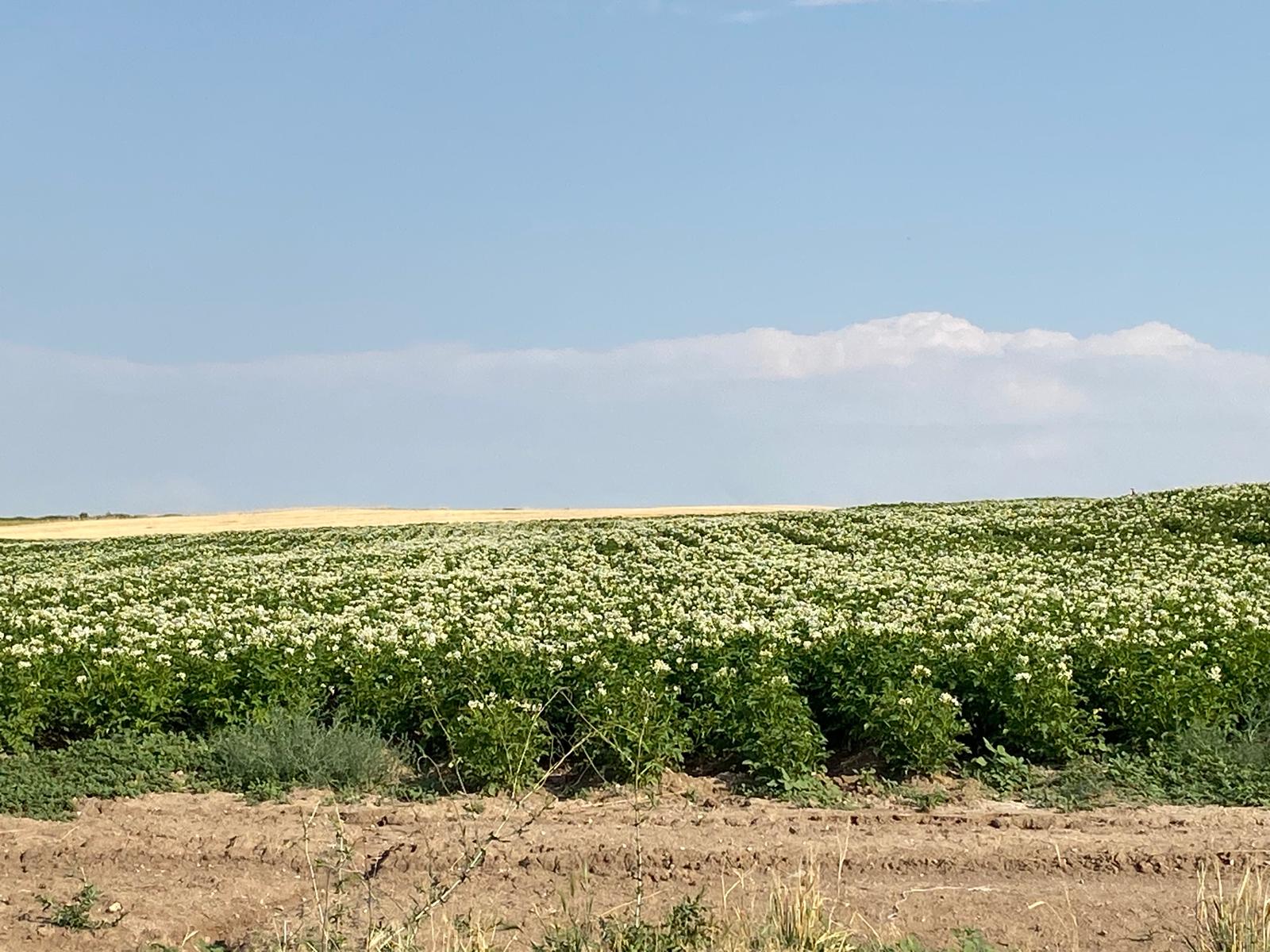
Potato Fertilization Program: A Comprehensive Guide to Increasing Yield and Quality
Why is proper nutrition important in potato cultivation?
Potatoes are one of the rare plants that can yield high returns per unit area and are of strategic importance for food security worldwide and in Türkiye. However, in order for potatoes to reach their high yield potential, they need support for tuber development underground. a precise feeding strategy It is needed. One potato fertilization program When cultivating, it is necessary to consider not only yield but also tuber size, dry matter content, shell quality, and storage life.
Potato plants, during their short growing season, absorb a large amount of nutrients from the soil. Therefore, providing the necessary macro and microelements in a timely manner and in the correct form, according to the plant's developmental stages, is vital. Incorrect or insufficient fertilization leads not only to yield loss but also to decreased resistance to diseases and a reduction in market value. As FerNaBio Fertilizer, with our expertise based in the Netherlands since 2002, we offer solutions focused on meeting all the nutritional needs of plants.
Soil Analysis: The First Step to a Successful Potato Fertilization Program
The most critical step to take before starting any fertilization process is... soil analysis. A program prepared without knowing the soil's pH level, organic matter content, salinity, and existing nutrient reserves can lead to both economic losses and soil pollution. Potatoes generally prefer soils that are slightly acidic to neutral (pH 5.5 – 7.0). In soils with high pH values, the uptake of microelements (iron, zinc, manganese) is hampered, while calcium and magnesium deficiencies can occur in soils with very low pH values.
Based on soil analysis results, it is necessary to apply missing elements as base fertilizers and plan for additional nutrients the plant will need throughout its growth process. Comprehensive guide to agricultural fertilizers. As we mentioned in our content, when the right analysis is combined with the right product selection, success is inevitable.
Potato Growth Stages and Nutritional Requirements
The potato's life cycle is divided into five main stages. Each stage has different nutritional requirements, and potato fertilization program It should be optimized according to this cycle.
1. Germination and Emergence Period
During this period, the plant draws its energy from reserves in the seed tuber. However, for a strong start and rapid above-ground development... phosphorus Support is crucial. Phosphorus stimulates root development by facilitating energy transfer. plant root development These strategies ensure the plant has a firm anchor in the soil at this stage.
2. Vegetative Growth Period
At this stage, the above-ground parts (stem and leaves) are growing rapidly. nitrogen The need for nitrogen peaks. Nitrogen helps the plant produce more energy by expanding the photosynthetic area. However, excessive nitrogen use can delay tuber formation and make the plant more susceptible to diseases.
3. Initiation of Stolon Formation
During this critical stage, when the tubers begin to swell at the stolon tips, the plant needs balanced nutrition. Phosphorus and calcium play a key role in determining the number of tubers. A deficiency during this period will result in a low number of tubers.
4. Tuber Growth (Swelling) Period
This is the period when potatoes consume the most nutrients. At this stage... potassium, Potassium facilitates the transport of carbohydrates (starch) from the leaves to the tubers. Potassium deficiency can cause tubers to remain small and develop internal browning. Potassium is also critical for water regulation.
5. Maturation and Pre-Harvest
At this stage, the plant gradually begins to dry out, and nutrients are completely absorbed into the tuber. Excess nitrogen should be avoided during this period, and a balance of calcium and potassium should be maintained to improve shell quality and storage life.
The Effects of Essential Nutrients on Potatoes
Nitrogen (N): The Key to Greenery and Yield
Nitrogen is a fundamental component of plant proteins, chlorophyll, and enzymes. In potatoes, sufficient nitrogen means a strong stem structure and a large leaf area. However, the form of nitrogen (ammonium or nitrate) and the timing of application are crucial. Nitrogen applied early accelerates development, while excessive nitrogen applied late can impair tuber quality.
Phosphorus (P): Strong Root System and Number of Tubers
Phosphorus plays a role in energy (ATP) transport in plants. In potato plants, it promotes deep root penetration and stolon formation. Because phosphorus mobility is low in the soil, it should generally be applied as a base fertilizer or directly to the root zone via drip irrigation.
Potassium (K): Quality, Starch, and Storage Life
Potatoes are true "potassium gluttons." Potassium enables the conversion of sugars produced during photosynthesis into starch, which is then stored in the tuber. It also increases the plant's resistance to water stress, cold, and diseases. For a high-quality harvest, fertilizers in the form of potassium sulfate are more suitable for potatoes, which are sensitive to chlorine.
The Importance of Calcium (Ca) and Magnesium (Mg)
Calcium strengthens cell walls, ensuring a smooth tuber shell and preventing physiological disorders such as "internal rust spots." Magnesium, on the other hand, is the central atom of chlorophyll and is essential for the continuity of photosynthesis. FerNaBio's Calmix B Specialized products like these professionally meet these needs.
Step-by-Step Potato Fertilization Program Implementation
For successful implementation, it is recommended that fertilization be addressed in three main stages:
Base Fertilization (Before/During Planting)
Fertilizers applied to the soil along with the planting process meet the plant's initial emergence and root development needs. Compound fertilizers containing NPK (Nitrogen, Phosphorus, Potassium) are generally preferred. At this stage... Comparison of organic and chemical fertilizers This process should be carried out by adding supplements that will improve the organic matter structure of the soil.
Top dressing and fertigation (Growth period)
Nutrient supplementation should be done via drip irrigation (fertigation) when the plant reaches 15-20 cm in height and is in the tuber formation stage. Liquid fertilizers are absorbed more quickly by the plant. FerNaBio's liquid portfolio offers precise dosing possibilities at this stage.
Foliar Fertilization Strategies
Foliar application is a lifesaver in situations where uptake from the soil is difficult (high pH, drought, or cold weather). Biostimulants, especially those containing microelements (zinc, boron, manganese) and seaweed, relieve plant stress and contribute to increased yield. Guide to Liquid and Powder Chemical Fertilizers You can find detailed information on which form to use and when.
The Role of Microelements in Potato Fertilization
Although not as noticeable as macroelement deficiencies, microelement deficiencies lead to significant yield losses in potatoes.
* Zinc (Zn): It is essential for maintaining hormonal balance and increasing leaf size.
* Boron (B): It helps transport calcium and prevents tuber cracking.
* Manganese (Mn): It plays a role in carbohydrate metabolism.
* Iron (Fe): It is essential for chlorophyll synthesis.
FerNaBio's Dutch Mix Products like this series, which contain trace element additives, include chelated forms of these elements that are easily absorbed by plants.
Common Mistakes in Potato Fertilization
- Excessive Nitrogen Use: It causes the plant to only produce its green parts and delays tuber formation.
- Wrong Timing: Adding potassium too late does not positively affect tuber size; on the contrary, it can cause the plant to age prematurely.
- Choosing Chlorinated Fertilizers: Potatoes are sensitive to chlorine. Using potassium sulfate instead of potassium chloride improves quality.
- Ignoring Soil pH: When fertilization is done without balancing the pH, a large portion of the fertilizer remains bound in the soil and cannot be utilized by the plant.
FerNaBio Fertilizer: Your Productivity Partner in Modern Agriculture
At FerNaBio, we embrace the latest technologies and sustainable farming principles in developing our plant nutrition products. Our products not only nourish the plant but also focus on protecting soil health. By combining our Netherlands-based R&D strength with Türkiye's local soil conditions, we offer our farmers customized solutions. potato fertilization program We offer support.
Our liquid and powder formulations deliver high performance across a wide range of applications, from hydroponic systems to traditional field farming. Our goal is to help growers achieve maximum yield and quality by ensuring every drop of fertilizer reaches the plant.
Success in potato cultivation depends not only on seed selection but also on the right nutrition plan to unlock the potential of that seed. At FerNaBio, plant health and abundant harvests are always our priority.
Frequently Asked Questions
Why should soil analysis be performed when creating a potato fertilization program?
Soil analysis scientifically determines the appropriate amount of fertilizer to use by identifying the soil's existing nutrient reserves and pH value. Fertilization without analysis can lead to excessive application of elements the plant doesn't need, increasing costs or causing yield loss due to deficiencies. Furthermore, soil analysis identifies pH problems that hinder the plant's uptake of nutrients, allowing for the selection of the correct fertilizers.
Which nutrients are critical for increasing the number of tubers in potatoes?
The most important elements determining the number of tubers (stolon formation) in potatoes are phosphorus and calcium. Phosphorus stimulates root and stolon development by facilitating energy transfer in the plant; calcium supports cell division, helping to ensure healthy tuber formation. Applying these elements, especially as base fertilizer at planting or through fertigation at the beginning of tuber formation, directly increases the number of harvested tubers.
What is the effect of potassium on potato quality and storage?
Potassium is one of the most essential elements for potatoes and directly affects quality parameters. It increases tuber weight and dry matter content by facilitating the transport of sugars produced in the leaves to the tubers as starch. Furthermore, potassium strengthens the durability of the tuber skin, reducing mechanical damage during harvesting, and prevents water loss during storage, thus keeping potatoes fresh for longer.
When should foliar fertilization be preferred in potato cultivation?
Foliar fertilization is preferred as a quick solution in adverse environmental conditions where nutrient uptake through the roots is restricted (such as extremely cold or hot soil, high pH, and drought). It is applied especially when trace element (zinc, boron, iron) deficiencies are observed or to support the energy needs of the plant during periods of rapid growth. Foliar applications accelerate the plant's metabolism, allowing fertilizers absorbed from the soil to be used more effectively.
What precautions should be taken when applying nitrogen fertilizer to potatoes?
In nitrogen fertilization, quantity and timing are the most critical factors. Sufficient nitrogen in the early stages increases photosynthetic capacity by creating a strong leaf surface area; however, excessive nitrogen applied after the tuber formation stage causes the plant to continue developing green parts instead of growing tubers. This leads to tubers remaining small, maturing late, and a decrease in the starch content within the tubers. Therefore, nitrogen should be applied in a controlled manner, divided into stages of development.
 Türkçe
  English