
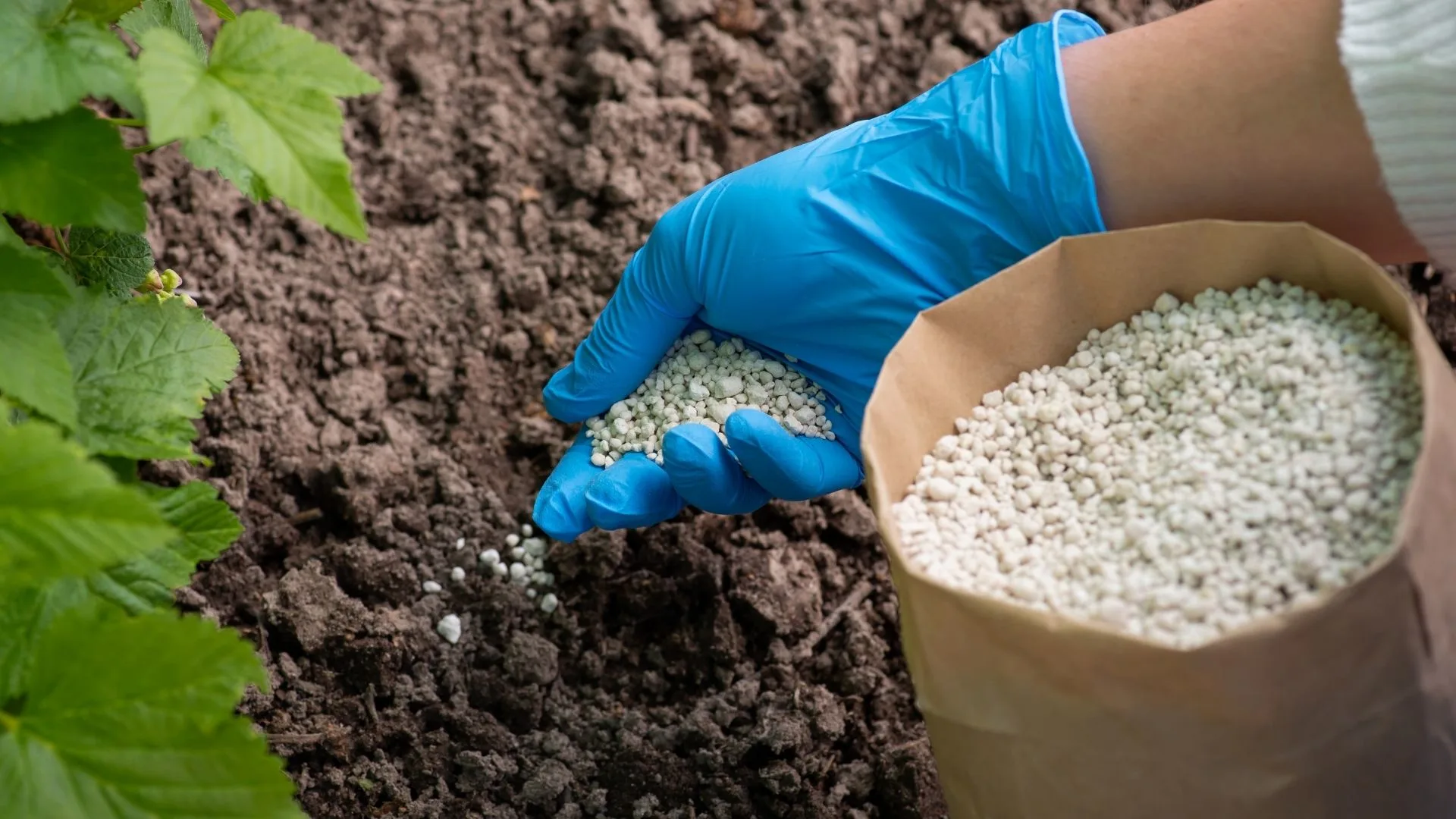
Comparison and Use of Organic and Chemical Fertilizers
In agricultural practices, fertilizer use is critical for plant growth and productivity.
Modern agriculture faces the challenge of meeting food demand while simultaneously protecting soil health and enhancing environmental sustainability. In this context, the choice between organic and chemical fertilizers has become a fundamental decision for farmers, gardeners, and agricultural professionals. While both types of fertilizers provide nutrients to plants, they differ significantly in their mechanisms of action, environmental footprints, and long-term consequences.
Organic fertilizers provide nutrients derived from natural sources that improve soil structure and support microbial life. Compost, animal manure, and plant-based residues fall into this category. Chemical or synthetic fertilizers, on the other hand, are products produced through industrial processes and contain high concentrations of specific nutrients. Substances such as ammonium nitrate, urea, and superphosphate are formulated to quickly meet the nutrient needs of plants.
This article will provide a comparative analysis of organic and chemical fertilizers, delving into their advantages and disadvantages. We will examine their differences in soil health, plant nutrition, and environmental impacts. Furthermore, we will offer a comprehensive guide to selecting the most suitable fertilizer for agricultural applications. We will emphasize the importance of correct fertilization strategies in achieving sustainable agriculture goals.
It is important to understand that fertilizer selection is not limited to immediate yield but also affects ecosystem health and the food security of future generations. With this in mind, by making the right decisions in the agricultural sector, we can both increase productivity and demonstrate an environmentally conscious approach. Our pioneering role in the sector and our innovative approaches You can follow developments in this area by examining it more closely.
In-Depth Analysis of Organic Fertilizers: An Environmentally Friendly Approach
Organic fertilizers are natural nutrient sources derived from plant and animal materials. These fertilizers play a fundamental role in sustainable agriculture by improving the physical, chemical, and biological properties of the soil in the long term. Compost, well-decomposed animal manure, green manure, and various plant wastes are the most common types of organic fertilizers. Their slow release of nutrients into the soil ensures regular and balanced nutrition for plants.
One of the greatest benefits of organic fertilizers is their ability to improve soil structure. By increasing the amount of organic matter in the soil, they enhance its water-holding capacity. They also improve soil aeration and drainage, creating a more favorable environment for root development. This is particularly critical for increasing fertility in clay or sandy soils.
It also has positive effects on soil microbial life. Organic matter serves as a rich nutrient source for beneficial bacteria, fungi, and other microorganisms. These microorganisms accelerate the nutrient cycle, making it easier for plants to absorb inorganic nutrients. This biological activity, which helps the soil function as a living ecosystem, can also increase natural resistance to plant diseases.
From an environmental perspective, organic fertilizers are a much more environmentally friendly alternative to chemical fertilizers. They significantly reduce the risk of nutrient leaching into groundwater or water sources. They help prevent environmental pollution problems such as excessive nitrogen and phosphorus accumulation. Furthermore, because they are derived from renewable sources, they contribute to lowering the carbon footprint.
However, organic fertilizers also have some disadvantages. Their nutrient content is generally lower than that of chemical fertilizers, and their exact composition may not be precisely determined. Because nutrient release to plants is slow, they may be insufficient to meet immediate nutrient needs. Application and storage logistics can be more complex in large-scale agriculture. Nevertheless, they are an indispensable option for long-term soil health and environmental sustainability goals.
The Role of Chemical Fertilizers and Their Place in Modern Agriculture: Quick Solutions
Chemical fertilizers are concentrated, synthetic substances produced to meet the essential nutritional needs of plants. They contain high concentrations of macronutrients such as nitrogen (N), phosphorus (P), and potassium (K). These fertilizers have played a key role in achieving the high-yield targets of modern agriculture. They are generally available in granular, liquid, or powder form and are known for their rapid effects.
The most significant advantage of chemical fertilizers is that they provide plants with nutrients immediately and in measurable amounts. Plants can easily absorb these nutrients and exhibit a rapid growth response. This feature makes them ideal for accelerating plant development, especially in intensive farming systems or in situations where nutrient deficiencies are experienced. It is possible to use precise formulations to address specific nutrient deficiencies.
Furthermore, the nutrient content of chemical fertilizers is standardized and controllable. This makes it easier for farmers to create fertilization programs according to the specific needs of the plants. They are generally more practical in terms of transportation, storage, and application. They can be easily applied in large areas with mechanized equipment, which saves on labor and time costs.
However, the use of chemical fertilizers also brings significant environmental risks. Excessive or improper use can disrupt the chemical balance of the soil and lead to acidification. Most importantly, the leaching of nutrients in fertilizers, especially nitrates, into groundwater and watercourses by rainwater can cause serious water pollution. This leads to eutrophication and degradation of aquatic ecosystems.
They can also have negative effects on soil microbial life. High salt content can negatively affect beneficial microorganisms in the soil. In the long term, they can reduce the organic matter content of the soil and impair soil structure. Therefore, the rational and appropriate use of chemical fertilizers is of great importance. Corporate solutions and wholesale product supply. You can make informed choices about this by visiting our platform.
Impacts on Soil Health and Plant Growth: A Long-Term Perspective
The effects of organic and chemical fertilizers on soil health and plant growth reveal their fundamental differences. Chemical fertilizers provide plants with nutrients directly and quickly, offering a significant increase in growth in the short term. This is particularly advantageous for plants with rapid harvest cycles or those in need of immediate nutrient supplementation. However, this rapid effect often does not contribute to the soil's own natural nutrient cycle.
Organic fertilizers, on the other hand, offer plants a long-term nutritional strategy by releasing nutrients more slowly and gradually. Because the nutrients need to be broken down by microorganisms in the soil, the rate at which plants absorb them is more controlled. This prevents sudden shocks in plants and ensures more stable growth. The accumulation of organic matter in the soil helps nutrients remain in the soil for longer periods.
Organic fertilizers are unparalleled in terms of soil health. By increasing organic matter content, they strengthen the physical structure of the soil. This increases resistance to erosion, improves soil aeration and water retention capacity. A healthy soil structure allows plant roots to penetrate deeper and increases overall plant resistance. The use of chemical fertilizers alone does not provide these structural improvements and can lead to soil fatigue in the long term.
The impact on plant growth is not limited to yield alone. Plants fed with organic fertilizers have been observed to be more resilient. They develop stronger root systems and are more resistant to diseases and pests. In plants fed with chemical fertilizers, rapid growth can sometimes weaken the overall structure of the plant. This can make plants more vulnerable to environmental stressors.
In the long term, organic farming practices preserve and even increase soil fertility. They support soil biodiversity, ensuring the continuity of ecosystem services. However, the intensive use of chemical fertilizers can disrupt the soil's natural balance, making it difficult to achieve sustainable agriculture goals. Rational fertilization strategies aim to strike a balance between short-term productivity and long-term soil health.
Which Organic Fertilizer is Best? Selection Criteria and Application Tips
“There is no single answer to the question, "Which is the best organic fertilizer?", because the most suitable fertilizer varies depending on the plant type, soil structure, and growing conditions. There are several key criteria to consider when choosing an organic fertilizer. These criteria will help you make the right decisions that will both meet your plant's needs and support the health of your soil. First, the nutrient content of the fertilizer, the current condition of the soil, and the plant's growth stage should be considered.
Different Types of Organic Fertilizers and Their Characteristics:
- Compost: Compost made from household and garden waste is a versatile fertilizer that improves soil structure, increases water retention capacity, and provides slow-release nutrients. It is particularly ideal for increasing soil fertility.
- Animal Manure: Cattle, sheep, or poultry manure contains rich organic matter and various nutrients. It is important that it is thoroughly decomposed before use to avoid damaging plants and reduce the risk of pathogens.
- Worm Compost (Vermicompost): This fertilizer, produced by earthworms processing organic waste, contains high levels of nutrients, beneficial microorganisms, and growth hormones. It is highly effective for plant growth and significantly improves soil structure.
- Bone Meal: Its high phosphorus and calcium content supports flowering and fruit set. It is also beneficial for root development.
- Blood Meal: It is a fast-release nitrogen source and is ideal for leafy plants.
- Kelp (Seaweed) Fertilizer: It is rich in trace elements, vitamins, and plant growth hormones. It increases plant resistance and overall health.
Selection Criteria:
When choosing fertilizer soil analysis This is of great importance. Knowing your soil's pH, organic matter content, and existing nutrient levels will help you determine which fertilizer you need. The plant's growth stage is also important; nitrogen-rich fertilizers are preferable for young plants, while phosphorus and potassium-rich fertilizers are better suited for flowering and fruiting periods. Ease of application and cost are other factors to consider. Worm compost or compost is practical for small gardens, while animal manure or green manure may be more suitable for large agricultural areas.
Application Tips:
There are different application methods for organic fertilizers, such as mixing them into the soil or spreading them on the surface. Because they are slow-release, they are usually applied during the early planting period or at the time of planting. The application amount should be adjusted according to the nutrient content of the fertilizer and the needs of the plant. Over-fertilization can harm plants, even with organic fertilizers. Regular and balanced application will yield the best results for plant health and soil fertility. Our vision and goals for the future of agriculture. You can visit our page for more information.
Hybrid Approaches to Sustainable Agriculture: The Rational Use of Organics and Chemicals
Sustainable agriculture aims to create an economically and socially viable food system while protecting the environment. To achieve this goal, hybrid fertilization strategies, a rational combination approach rather than the use of organic and chemical fertilizers individually, are gaining increasing attention. Hybrid approaches aim to minimize the disadvantages of both fertilizer types while leveraging their advantages. This integrated nutrient management both increases productivity and reduces environmental impact.
Integrated plant nutrition strategies begin with soil analysis. Critical factors such as the soil's existing nutrient content, organic matter level, and pH are determined. Based on this information, a plan is devised to determine the nutrients the plant needs and how much of each nutrient will be supplied from which source (organic or chemical). For example, organic fertilizers are used to increase the soil's organic matter content and support microbial activity, while chemical fertilizer supplements can be applied to quickly address specific nutrient deficiencies.
This approach makes it possible to achieve immediate yield targets while maintaining the long-term health of the soil. Organic fertilizers improve the physical and biological structure of the soil, increasing its nutrient retention capacity. This allows for more efficient use of applied chemical fertilizers and reduces the risk of nutrient leaching. The rapid effect provided by chemical fertilizers helps prevent nutrient stress during critical growth periods of plants.
Hybrid fertilization also has the potential to reduce environmental risks. By reducing the amount of chemical fertilizers, negative impacts such as water pollution and soil degradation can be minimized. The use of organic fertilizers increases the soil's carbon storage capacity, contributing to the fight against climate change. This balance ensures that modern agriculture is both productive and environmentally friendly.
In practice, drip irrigation with liquid organic nutrient supplements or precision chemical fertilization techniques in conjunction with pre-planting compost application can be used. Such integrated approaches offer farmers flexibility and make agricultural systems more resilient. Hybrid approaches for sustainable agriculture are key to ensuring healthy soils and food security for future generations.
Frequently Asked Questions
What is the main difference between organic and chemical fertilizers?
Organic fertilizers are derived from natural resources and provide a slow release of nutrients while improving soil structure. Chemical fertilizers, on the other hand, are produced synthetically, provide nutrients to plants quickly and directly, but their long-term contribution to the soil is limited.
Which type of fertilizer has a faster effect on plant growth?
Because chemical fertilizers deliver nutrients directly and in high concentrations to plants, they generally take effect faster than organic fertilizers and provide quicker growth responses.
How do organic fertilizers improve soil?
Organic fertilizers increase the organic matter content of the soil, improving its water-holding capacity and aeration. They also accelerate the nutrient cycle by supporting beneficial microbial life in the soil, and strengthen the overall health of the soil.
What are the environmental impacts of chemical fertilizers?
Excessive or improper use of chemical fertilizers can cause water pollution (eutrophication) as nitrates leach into groundwater. It can also disrupt soil pH balance and, in the long term, reduce soil fertility.
Which fertilization approach is recommended for sustainable agriculture?
For sustainable agriculture, hybrid approaches or integrated nutrient management that combine organic and chemical fertilizers are recommended. This method aims to increase both productivity and environmental sustainability by taking advantage of the benefits of both types of fertilizers.
 Türkçe
  English