
Greenhouse & Hydroponic Fertilizer Applications: Liquid Fertilizer and Drip Irrigation
Greenhouse & Hydroponic Fertilizer Applications: Liquid Fertilizers and Drip Irrigation. Modern agricultural techniques play a vital role in feeding the growing global population and using limited natural resources more efficiently. Greenhouse and hydroponic systems, in particular, offer controlled production environments with significantly higher yield potential compared to traditional agriculture. The key to realizing this high potential lies in the complete and precise management of plant nutrition. Correct fertilizer applications are fundamental to both plant health and crop quality.
In traditional agriculture, soil structure plays a crucial role in delivering fertilizers to plants, while in modern, controlled environments, this role is entirely under the farmer's control. In greenhouse production, providing plants with the necessary nutrients at the right time and in the right amount is critical. In hydroponic systems, however, fertilizer management requires a much more precise and scientific approach because plants interact directly with nutrient solutions in a soilless environment. This situation is increasing the importance of liquid fertilizers and drip irrigation techniques every day.
This content covers the intricacies of fertilizer management in modern agricultural practices, especially... greenhouse and hydroponic solutions It will focus on many topics, from the efficient use of liquid fertilizers to the integration of drip irrigation systems. We aim to provide a comprehensive guide for professional growers who want to optimize their crop production. By providing key information for achieving high yields and sustainable production goals, we aim to shed light on the future of modern agriculture.
Effective Fertilization Strategies in Greenhouse Environments
Effective Fertilization Strategies in Greenhouse Environments
Plant nutrition in greenhouses requires a much more controlled approach compared to open-field cultivation. The limited volume of soil or the use of soilless growing media necessitates the accurate and consistent delivery of fertilizers to the plant root zone. A key strategy is to create fertilization programs tailored to the plant's growth stage and needs. Soil analysis and plant tissue analysis form the basis of these programs.
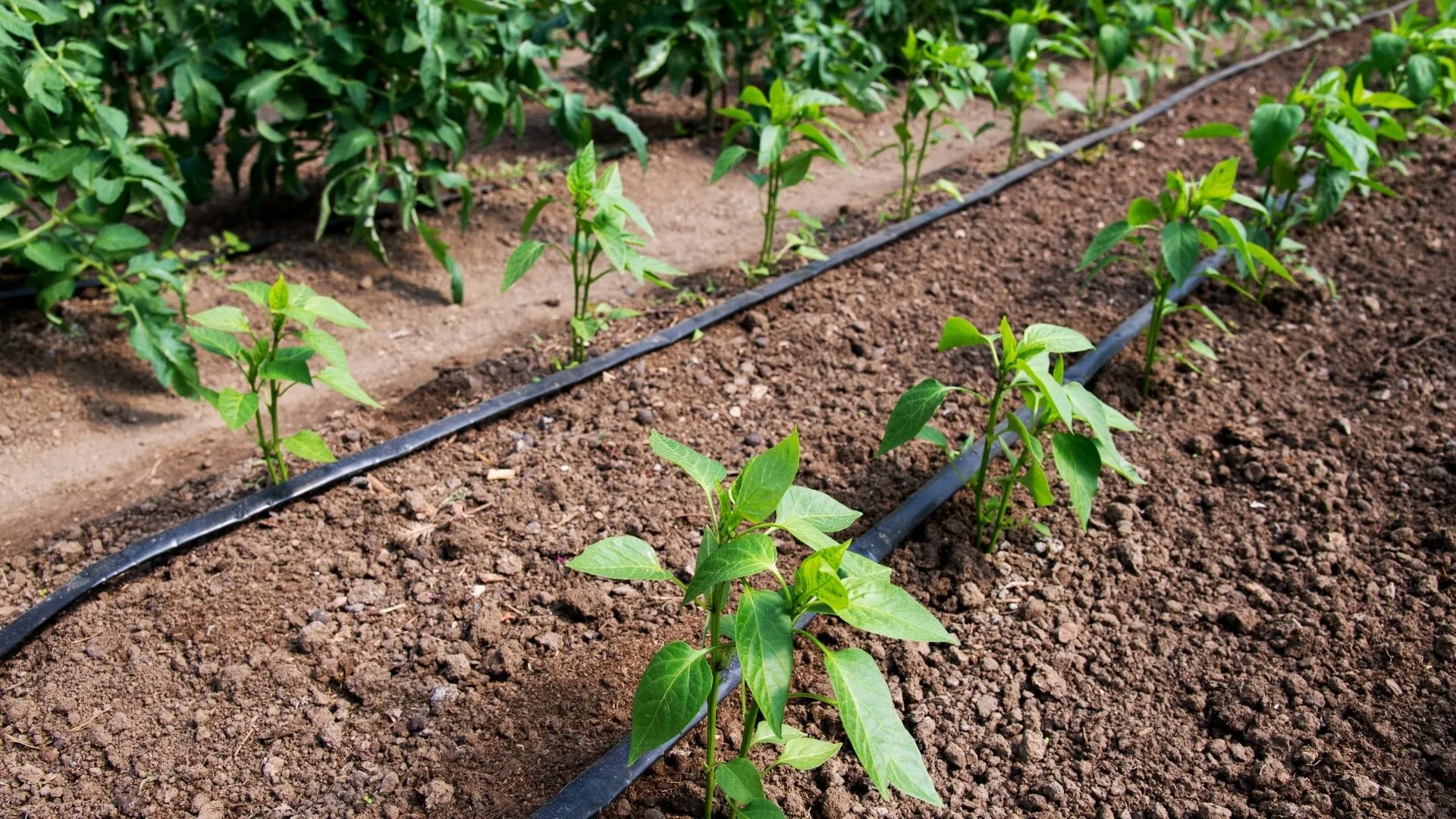
Drip irrigation systems are an indispensable part of fertilizer application in greenhouse conditions. These systems increase efficiency by delivering nutrients directly to the plant root zone along with water (fertigation). They minimize fertilizer leaching and waste, ensuring both economic and environmental sustainability. Since the water and nutrient demands of greenhouse plants can change even within a single day, it is important to create a dynamic fertilization plan.
Climate control, humidity, and temperature within a greenhouse directly affect nutrient uptake by plants. Therefore, fertilization programs should consider not only the plant's phenological stage but also the greenhouse climate. Continuously monitoring the pH and EC values of the nutrient solution ensures optimal nutrient uptake by plants. Incorrect values can hinder nutrient uptake or lead to toxicity.
The types of fertilizers used in greenhouse cultivation are also of great importance. In particular... liquid fertilizers, They are preferred because they can be easily integrated with drip irrigation systems. Thanks to their high solubility, they are quickly absorbed by plants and ensure a homogeneous distribution. In this way, all the nutritional needs of the plants are met, aiming for healthy development and high yield.
Fertilizer Management and Solutions in Hydroponic Systems
Fertilizer Management and Solutions in Hydroponic Systems
Hydroponic systems are advanced agricultural techniques where plants are nourished in a soilless environment using water and nutrient solutions. In these systems, fertilizer management is critical for healthy plant growth and maximum yield. The composition, pH, and electrical conductivity (EC) of the nutrient solution must be meticulously controlled throughout the plant's life cycle. Different nutrient ratios may be required for each plant species and growth stage.
Hydroponic solutions should contain all the macro and micronutrients that plants need in a balanced way. It is essential that macronutrients such as nitrogen, phosphorus, and potassium, as well as micronutrients such as iron, zinc, and manganese, are present in the correct concentrations. Preparing the nutrient solution begins with the use of pure water and the selection of high-quality, fully soluble fertilizers. Drip irrigation fertilizers It is generally suitable for such systems.
The pH of the nutrient solution in the system directly affects the plants' ability to absorb nutrients. For most plants, the ideal pH range is between 5.5 and 6.5. Going outside this range can cause some nutrients to become unavailable to the plant. The EC value indicates the total amount of nutrient salts in the solution and provides information about whether the plant is experiencing nutrient stress.
Fertilizer applications in hydroponic systems are generally done according to closed-loop or open-loop principles. Closed-loop systems recycle the nutrient solution, saving water and fertilizer. In open-loop systems, the nutrient solution is discarded through drainage after a single use. In both systems, regularly replenishing the nutrient solution and maintaining the parameters within the correct ranges is vital.
Advantages and Effective Application Methods of Liquid Fertilizers
Advantages and Effective Application Methods of Liquid Fertilizers
Liquid fertilizers are increasingly preferred in modern agricultural techniques, especially in greenhouse and hydroponic applications. Their greatest advantage is that they are absorbed much more quickly and easily by plants compared to solid fertilizers. Because they are completely dissolved in water, they allow plant roots immediate access to nutrients, thus preventing interruptions in growth and accelerating development.
Ease of application is another prominent feature of liquid fertilizers. They can be easily used with various methods such as drip irrigation, fertigation, and foliar applications. This flexibility allows farmers to precisely adjust the dosage and application time according to the specific needs of the plant. This minimizes nutrient waste while maximizing plant nutrition efficiency.
Liquid fertilizers ensure the homogeneous distribution of plant nutrients. This is a major advantage, especially in greenhouses covering large areas or hydroponic systems with multiple plant groups. Each plant receiving an equal amount of nutrients contributes to balanced growth and high-quality produce across the entire crop. It also reduces the risk of clogging during application.
Containing different nutrients together liquid fertilizers, It offers special formulations to meet the needs of the plant at all stages of its growth. For example, rich mixtures containing nitrogen, phosphorus, and potassium, as well as microelements such as iron, zinc, and copper, are available. This ensures optimized nutrient support tailored to the plant's developmental stage. In particular... copper-containing micronutrient solutions Specialized products like these support plant health. For detailed information, please see below. You can check out the Micro Top Cu 6 product..
Fertilization (Fertigation) with Drip Irrigation Systems
Drip irrigation systems are a revolutionary method in modern agriculture that increases water and fertilizer use efficiency. The direct application of fertilizers to the plant root zone along with irrigation water is called fertigation. This method optimizes nutrient absorption by allowing plants to receive nutrients when and where they need them most. It requires significantly less fertilizer and water compared to traditional methods.
One of the biggest advantages of fertigation is that nutrients can be delivered to the plant continuously and in a controlled manner. Fertilizer dosage can be adjusted instantly according to the plant's growth stages, climatic conditions, and soil or substrate characteristics. This flexibility prevents plants from becoming stressed and provides optimum development conditions. This is especially true for nutrient-intensive plants like potatoes in greenhouses and open fields. potato fertilization programs It can be examined.
Drip irrigation significantly reduces fertilizer loss. Nutrients are not lost through surface runoff or deep infiltration, but reach the target directly. This reduces fertilizer costs for farmers and minimizes potential environmental damage. More efficient use of fertilizers makes a significant contribution to sustainable agricultural practices.
System selection and installation are vital for the success of fertigation. Fertilizer injection units, filtration systems, and pressure equalization equipment ensure homogeneous distribution of fertilizers. It is essential that the fertilizers used are highly soluble and will not clog the drip irrigation nozzles. This guarantees a long lifespan and high-performance operation of the system.
Preparation and Control of Plant Nutrient Solutions
In modern agriculture, particularly in hydroponic and greenhouse cultivation, the correct preparation and continuous monitoring of plant nutrient solutions are crucial for the quality and yield of production. This process involves much more than simply mixing fertilizers into water; it requires precise management based on scientific principles. The correct concentration, pH, and EC values of the solution are key to plant survival.
When preparing a nutrient solution, using high-quality, pure water is essential. Tap water or well water may contain chlorine, lime, or heavy metals, which can negatively affect the plant's nutrient balance. Mixing should be done carefully to ensure the fertilizers are completely dissolved. Ensuring each nutrient is added in the correct proportion will meet all the plant's needs.
The electrical conductivity (EC) value of a solution indicates the total amount of nutrient salts it contains. Each plant species and growth stage has different EC requirements. High EC can lead to nutrient burn in the plant, while low EC can cause nutrient deficiency. Therefore, regular checks should be performed with EC meters, and adjustments should be made as needed by adding nutrients or water.
pH refers to the acidity or alkalinity level of a nutrient solution and determines how efficiently plants can absorb nutrients. For most plants, the ideal pH range is between 5.5 and 6.5. A pH outside this range can render some essential nutrients unavailable to the plant. This value should be continuously optimized using pH reducers or increasers.
Essential Microelements and Their Effects on Plant Health
For healthy plant growth and high yields, macro elements alone (nitrogen, phosphorus, potassium) are insufficient. Micro elements, such as iron, manganese, zinc, copper, boron, and molybdenum, are needed in much smaller quantities but are vital for plant metabolism. Deficiencies in these elements can lead to serious growth and development problems.
For example, iron plays a critical role in chlorophyll synthesis, and its deficiency causes yellowing (chlorosis) in the leaves. Copper is essential for enzyme activity, photosynthesis, and respiration processes in the plant; it also increases the plant's resistance to diseases. Sufficient copper intake significantly strengthens the overall health and stress resistance of the plant.
Zinc plays a role in the production of plant growth hormones and carbohydrate metabolism. Boron, on the other hand, is essential for cell wall formation, sugar transport, and flowering. Microelement deficiencies slow plant growth, reduce yield, and negatively affect product quality. Therefore, it is essential that fertilization programs include sufficient and balanced amounts of microelements as well as macroelements.
In greenhouse and hydroponic systems, microelements added to the nutrient solution must be in a soluble and easily absorbable form by the plant. Chelated microelements are the preferred formulations in such systems. Chelation prevents the elements from precipitating by reacting with other nutrients and allows for more efficient absorption by plant roots. Choosing the right formulation is critical for plant health.
Sustainability and Fertilizer Applications in Modern Agriculture
Modern agricultural techniques aim not only for increased productivity but also for environmental sustainability. Fertilizer applications in greenhouses and hydroponic systems offer significant opportunities to achieve these sustainability goals. Thanks to controlled environments, fertilizer waste can be minimized and environmental impact can be significantly reduced. This means both the conservation of natural resources and the alleviation of pressure on the ecosystem.
Drip irrigation and fertigation techniques allow fertilizers to be delivered directly and precisely to the plant root zone, preventing nutrients from leaching into the soil or water. This eliminates the risk of fertilizer components such as nitrates and phosphates contaminating groundwater and polluting the environment. Thus, water resources are conserved, the health of aquatic ecosystems is supported, and the ecological footprint of agricultural activities is reduced.
Closed-loop versions of hydroponic systems further optimize water and fertilizer consumption by recycling the nutrient solution. In these systems, fertilizers can be reused multiple times, with only the amount consumed by the plants being added. This approach is particularly valuable in areas with limited water resources and holds promise for the future of agriculture. For more general information on plant cultivation, please refer to [link to relevant documentation]. You can visit our blog page..
Furthermore, smart fertilization programs designed according to plant needs prevent excessive fertilizer use. Thanks to sensor technologies and automation systems, the plants' immediate nutrient and water needs are determined, and fertilization is carried out accordingly. These precision farming practices provide both economic gains and environmental benefits by using resources more efficiently. They form the basis of sustainable agriculture.
Smart Fertilization and Automation in the Agriculture of the Future
Modern agriculture is becoming increasingly technology-driven, with smart fertilization and automation solutions gaining prominence, particularly in greenhouse and hydroponic systems. These innovations eliminate human error in plant nutrition management, offering a more consistent, efficient, and sustainable production environment. Sensors and AI-powered systems can fully optimize fertilizer applications.
Smart fertilization systems continuously monitor soil or substrate moisture, pH, and EC levels. This data is analyzed in real-time to determine exactly when and how much fertilizer the plant needs. Automatic dosing pumps and mixing units prepare the nutrient solution at the ideal concentration and deliver it to the plants via drip irrigation systems. This significantly reduces the need for manual intervention.
Automation greatly simplifies tasks not only in fertilizer application but also in routine operations such as filling nutrient solution tanks and adjusting pH and EC levels. This allows growers to dedicate their time to more important areas like strategic planning and plant health monitoring. Labor costs decrease while production efficiency and quality increase. These systems have become indispensable, especially in large-scale modern farms.
In the future, controlling fertilization systems through remote access and cloud-based platforms will become even more widespread. Farmers will be able to monitor nutrient parameters, make adjustments, and instantly address potential problems from their smartphones or computers. Such integrated solutions will open new horizons in food production, making modern agriculture more resilient, predictable, and profitable.
In modern agricultural techniques, fertilizer applications play a key role in building a productive and sustainable future, going beyond simply providing plant nutrition. The controlled environments offered by greenhouses and hydroponic systems amplify the importance of liquid fertilizers and precision application methods such as drip irrigation. These methods improve plant health, yield, and product quality while also helping to conserve valuable resources like water and fertilizer. Adopting these innovative approaches is essential to achieving future food security and environmental responsibility goals. Developing an optimized fertilization strategy tailored to each farmer's specific conditions is the most important step towards success.
Frequently Asked Questions
Why do greenhouse and hydroponic systems require special fertilization?
Because these systems do not offer a natural nutrient reservoir like soil, all the nutritional needs of the plants must be met directly through the nutrient solution or growing medium. Precise management is essential to optimize plant growth and prevent nutrient deficiencies. Controlled environments enable efficient fertilizer use and effective monitoring of the nutrient cycle.
What are the advantages of liquid fertilizers compared to solid fertilizers?
Liquid fertilizers are absorbed more quickly and homogeneously by plants because they are in a completely dissolved form in water. They are easy to apply and simple to integrate with drip irrigation systems. They also minimize nutrient waste by offering dosage flexibility according to the plant's growth stage.
What does drip irrigation fertilization (fertigation) mean?
Fertigation is a method of applying fertilizers directly to the plant root zone along with irrigation water. This ensures that nutrients are delivered to the plant when and where it is most needed, increasing water and fertilizer efficiency. It also contributes to environmental sustainability by reducing fertilizer loss.
Why are pH and EC important in plant nutrient solutions?
The pH value determines the plant's ability to absorb nutrients; nutrient uptake can be inhibited if it falls outside the ideal range. The EC value indicates the total amount of nutrient salts in the solution and provides information about whether the plant is experiencing nutrient stress. Regular monitoring of these two parameters is critical for plant health and yield.
Which types of fertilizers are suitable for hydroponic systems?
For hydroponic systems, highly soluble, completely water-soluble, and impurity-free mineral fertilizers should be preferred. Formulations containing chelated microelements are also important for meeting all the nutritional needs of the plants. Liquid fertilizers are among the most commonly used and effective options in these systems.
 Türkçe
  English