

Secrets to a Yield Explosion in Your Vegetable Garden: Which Fertilizer is Best for Vegetables?
Growing vegetables is an art that requires both patience and knowledge. Many gardeners and farmers dream of achieving the highest yield after planting the seeds. However, one of the most critical questions arises in this process: The best fertilizer for vegetables. Which one is it? Identifying the right strategies to preserve soil nutrients and ensure healthy plant growth is vital. In this guide, we'll delve into every detail, from the elements your vegetables need to application methods.
The Key to Productivity in Vegetable Cultivation: Soil and Nutrient Balance
Soil is more than just a foothold for plants; it's a living organism and a vast storehouse of nutrients. Both the physical and chemical composition of the soil are crucial for the healthy growth of vegetables. The best fertilizer for vegetables. Before embarking on your fertilization efforts, you need to understand the current condition of your soil. Soil analysis is the most reliable tool for measuring which nutrients are deficient and which are in excess. Random fertilization without analysis can disrupt soil balance instead of contributing to plant growth.
Plants require certain macro and microelements to complete their life cycles. Deficiencies in these elements manifest themselves through observations such as yellowing of leaves, stunted growth, or decreased fruit quality. Plant root development These strategies aim to ensure the most efficient uptake of these nutrients. A strong root system absorbs water and minerals from the soil more effectively. Therefore, you should adopt approaches that support not only the above-ground parts but also the underground development.
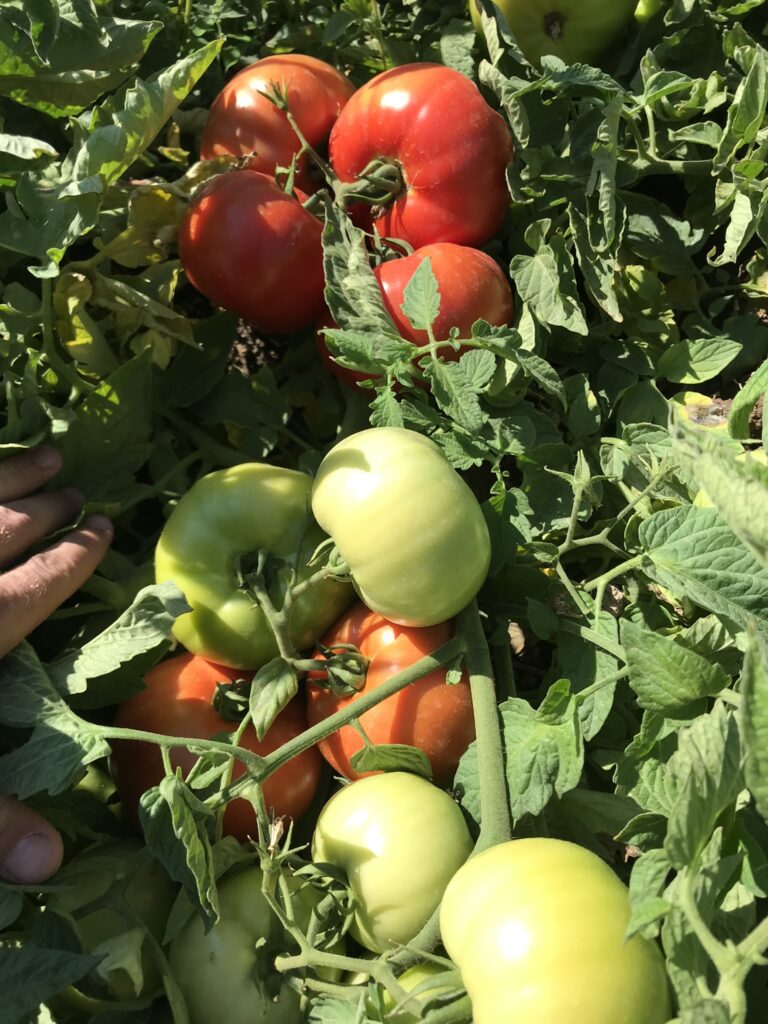
The Silent Cry of Plants: How to Recognize Nutrient Deficiencies?
Your plants can't talk to you, but they communicate their needs through physical changes. For example, a general yellowing of the lower leaves often indicates a nitrogen deficiency. Nitrogen is essential for foliage growth and protein synthesis. If the plant's leaves turn purple or dark green and growth slows, this indicates a phosphorus deficiency. Phosphorus plays a critical role in energy transfer and flowering processes.
Potassium deficiency usually manifests as burn-like spots on the edges of the leaves. Potassium controls water balance and the overall resilience of the plant. In addition to these essential elements, deficiencies in microelements such as calcium, magnesium, and iron also negatively affect growth processes. By accurately analyzing your observations, you can create the right growth plan. The best fertilizer for vegetables. The choice should be made based on these observations.
Key Factors to Consider When Choosing the Best Fertilizer for Vegetables
Choosing the right product isn't just about looking at the numbers on the package. The soil's pH level, the amount of organic matter, and the region's climate directly influence your choice. Most vegetables prefer slightly acidic or neutral soils (pH 6.0-7.0). If your soil pH is too high or too low, even the highest quality fertilizer won't allow plants to absorb these nutrients. This is where organic solutions with soil-conditioning properties come into play.
The best fertilizer for vegetables., Fertilizer is the type of fertilizer suitable for the plant's current developmental stage. Phosphorus-rich fertilizers are preferred during the seedling planting stage to support root development, while potassium and calcium requirements increase during the fruit setting period. The fertilizer's form is also important. Powder or liquid forms with high water solubility are absorbed more quickly by the plant. Slow-release granular forms provide long-term nutrition.
Nitrogen, Phosphorus, and Potassium: The Mystery of NPK Ratios
The three-digit number series you see on fertilizer packages (e.g., 20-20-20) represents NPK ratios. Nitrogen (N) accelerates leaf and stem development. Phosphorus (P) strengthens flowering, seed formation, and the root system. Potassium (K) improves fruit quality, taste, and the plant's resistance to external factors. Maintaining this balance is essential in vegetable cultivation.
For leafy vegetables, high-nitrogen mixtures offer advantages. However, in fruit-bearing plants like tomatoes or eggplants, excessive nitrogen only causes the plant to grow taller and reduces fruit yield. Therefore, to avoid disrupting the balance... Comparison of organic and chemical fertilizers A hybrid model can be implemented by doing this. Finding the right ratios should be based on your plant's performance analysis.
The Role of Secondary Nutrients and Trace Elements
Calcium, magnesium, and sulfur, which are not NPKs, are called secondary nutrients. Calcium strengthens cell walls, preventing cracking in fruits. Blossom end rot, especially seen in tomatoes, is caused by a disruption in calcium uptake. Magnesium is the central atom of chlorophyll; its deficiency slows photosynthesis and the plant loses energy.
Microelements such as iron, zinc, manganese, and boron, although needed in very small amounts, have vital functions. These elements generally regulate enzyme activities. If these substances are deficient in the soil, the plant cannot reach its full potential. The best fertilizer for vegetables. The mixture should contain these microelements in chelated form. The chelated structure prevents the elements from binding in the soil, allowing for easy uptake by the plant.
Organic or Chemical? Which Type of Fertilizer is More Suitable for Vegetables?
This question is one of the most debated topics in the agricultural world. Both types have their own advantages and disadvantages. Organic fertilizers improve soil structure, increase water retention capacity, and support microbial activity. Sources such as animal manure, compost, and seaweed are essential for long-term soil fertility. However, their nutrient content is generally low, and they require time for plants to absorb them.
Chemical fertilizers provide nutrients to the plant directly and quickly. They are the fastest way to address a specific deficiency. However, excessive use can lead to soil salinization and pollute groundwater. For sustainable agriculture, development plans that combine the advantages of both types are recommended. Enriching the soil with organic matter while supplementing with minerals during periods of high plant demand is the most balanced approach.
The Contribution of Organic Fertilizers to Soil Structure
Organic matter is the 'soul' of the soil. In sandy soils, it helps retain water, while in clay soils, it creates a porous structure that allows roots to breathe. Organic fertilizers are a food source for beneficial bacteria and fungi in the soil. These microorganisms break down nutrients in forms that plants cannot normally absorb, making them available to the plant.
Especially in home gardening, using compost provides both waste management and a natural nutrient source for plants. However, the organic material used needs to be thoroughly fermented (composted). Fresh animal manure can harm plants due to its high ammonia content and the harmful seeds it may contain. Therefore, processed and stabilized organic products are preferable. best fertilizer for vegetables It ranks among the top options.
Fast and Effective Solutions for Chemical Fertilizers
In commercial production, time and efficiency are crucial. Chemical solutions provide the plant with the exact dose of elements it needs immediately. For example, liquid mineral mixtures have a revitalizing effect on overcoming the dormancy experienced by vegetable seedlings after transplanting. Liquid fertilizers, It can be delivered to the plant via drip irrigation systems or foliar application.
Another advantage of chemical fertilizers is that their nutrient content is standardized. You know exactly how much nitrogen is in a bag of fertilizer. This allows you to create a precise growth plan. However, when using these products, it is necessary to strictly adhere to the dosages indicated on the packaging. Excessive amounts can cause root burn and leaf toxicity. Accurate measurement is fundamental to a successful harvest.
Customized Fertilization Strategies According to Vegetable Groups
Each vegetable has a different character and appetite. The nutritional profile needed by a tomato is never the same as that of a lettuce. Therefore, dividing your garden or field into zones and providing group-specific nutrition will multiply yields. The best fertilizer for vegetables. The application should be customized according to the physiological needs of the plant species.
As a general rule, fruit-bearing plants require more phosphorus and potassium, while leafy plants focus on nitrogen. Root vegetables, on the other hand, need specialized mixtures that support underground growth. Understanding these differences will allow you to use your resources more efficiently.
Vegetables with Edible Fruits, such as Tomatoes and Peppers
Plants like tomatoes, peppers, and eggplants are known as 'voracious' growers. They need phosphorus for root development and nitrogen for stem growth in the early stages. However, once flowering begins, it's necessary to reduce the amount of nitrogen and increase the potassium and calcium content. This results in fuller, sweeter fruits with a longer shelf life.
In peppers in particular, magnesium supplementation helps maintain dark green leaves and increases photosynthetic capacity. In tomatoes, calcium supplementation is a critical developmental step to prevent fruit tip rot. Regular foliar applications to these plants support the plant during hot days when root uptake slows down.

The nutritional needs of leafy vegetables like spinach and lettuce.
The goal for vegetables like lettuce, spinach, chard, and arugula is to obtain large, crisp leaves. These plants primarily need nitrogen. Nitrogen supplementation promotes rapid growth and vibrant green leaves. However, excessive nitrogen use near harvest can lead to nitrate accumulation in the leaves. Therefore, a balanced growth plan should be followed.
Since leafy vegetables generally have a short shelf life, fast-acting liquid formulations are preferable. Soil rich in organic matter positively affects the taste and aroma of these vegetables. Iron deficiency is common in this group and is noticeable by yellowing between the veins of the leaves. In this case, chelated iron applications contribute to faster growth.
Increased Yields in Root Vegetables Like Potatoes and Carrots
In root vegetables, the produce is hidden underground. Therefore, the soil must be loose and free from elements that hinder root development. The best fertilizer for potatoes. Potassium always plays a leading role in this process. Potassium enables the transport of starch produced in the leaves to the roots (tubers).
Phosphorus is essential for strong tuber formation in the initial stages. In vegetables like carrots and radishes, excessive nitrogen use leads to root branching or excessive leaf growth. Therefore, development plans with balanced NPK ratios and abundant trace elements should be implemented. The quality of the crop below the soil is directly proportional to the mineral richness of the soil.
Fertilization Timing: When, How Much, and How?
Applying fertilizer at the wrong time can lead to wasted effort and money. Plants' nutrient needs vary according to their growth curve. Fertilization is generally carried out during three main periods: pre-planting (base fertilization), the active growth period, and the fruit/harvest preparation period. The best fertilizer for vegetables. The application must be compatible with the plant's biological clock.
Early morning or late afternoon are ideal times for application. Foliar applications done during midday when the sun is at its strongest can cause leaf burn. Also, spray applications should be avoided in windy weather. Keeping the soil moist accelerates the dissolution of nutrients and their absorption by the roots.
Sustainable Agriculture and Protecting Soil Health
Leaving fertile soil for future generations depends on our current practices. Focusing solely on immediate yields and inundating the soil with chemicals will, in the long run, lead to soil death. Regenerative farming techniques aim to increase the soil's capacity for self-renewal. In this context, methods such as green manuring (legume cultivation), crop rotation, and mulching should be incorporated into the development process.
Proper fertilization strategies increase the plant's resilience, making it more protected against external factors. A strong plant copes more easily with environmental challenges, which indirectly reduces the need for other external interventions to support the plant. A production model in harmony with nature means both healthy vegetables and a healthy ecosystem.
Meet Fernabio: An Innovative Supporter of Modern Agriculture
Fernabio offers scientifically based solutions to increase productivity and quality in agriculture, supporting you throughout your plant growth process. Our liquid and powder products, produced with advanced technology, deliver the elements your plants need in the purest and most effective way. With our product range that protects soil structure and maximizes plant performance, we contribute to sustainable agriculture.
Our experienced team will guide you to get the best results from your field or garden. The best fertilizer for vegetables. For more detailed information about application methods, to evaluate your analyses, or to create customized development plans, you can contact us. At Fernabio, we combine the bounty of the soil with modern solutions.

Frequently Asked Questions
Which fertilizer best enhances the taste and aroma of vegetables?
The taste and aroma of vegetables largely depend on the balance of potassium and microelements. Potassium improves the sugar content and texture of the fruit by regulating the transport of sugars and starches in the plant. Furthermore, soils rich in organic matter contribute to the plant producing more intense aromatic components. Supplements containing seaweed also reduce plant stress, leading to positive observations on flavor.
Does over-fertilizing harm vegetables?
Yes, excessive nutrient supplementation can have toxic effects on plants. In particular, overuse of nitrogen weakens plant tissues, making them more susceptible to external factors. Additionally, excess salt accumulation in the soil can hinder root water absorption, leading to the plant drying out. Always adhere to performance analysis results and dosage instructions on the product label.
Are homemade organic fertilizers (compost) sufficient on their own?
Compost is an excellent tool for improving soil structure, but its nutritional value may not always be balanced. Using only compost during periods of intense plant growth can lead to deficiencies in certain microelements. For best results, using compost as a basic soil conditioner and supplementing with mineral supplements during periods of specific plant need ensures a healthier growth process.
Why is it important to water immediately after fertilizing?
Irrigation allows applied nutrients to dissolve in the soil and reach the root zone. Granular products, in particular, cannot be absorbed by the plant without contact with water. Furthermore, dilution with water prevents the potential 'burning' effect that fertilizers can cause when concentrated around the roots. In liquid applications, irrigation helps distribute nutrients over a wider area in the soil profile.
Is it possible to choose the most suitable fertilizer without having a soil analysis done?
Practices carried out without soil analysis are entirely based on guesswork. Adding an element that is already high in your soil is both costly and disrupts the balance (antagonism) between nutrients. For example, excess calcium can sometimes inhibit potassium uptake. Therefore, to create the most accurate growth plan and use resources efficiently, a professional analysis tool must be used.
 Türkçe
  English