
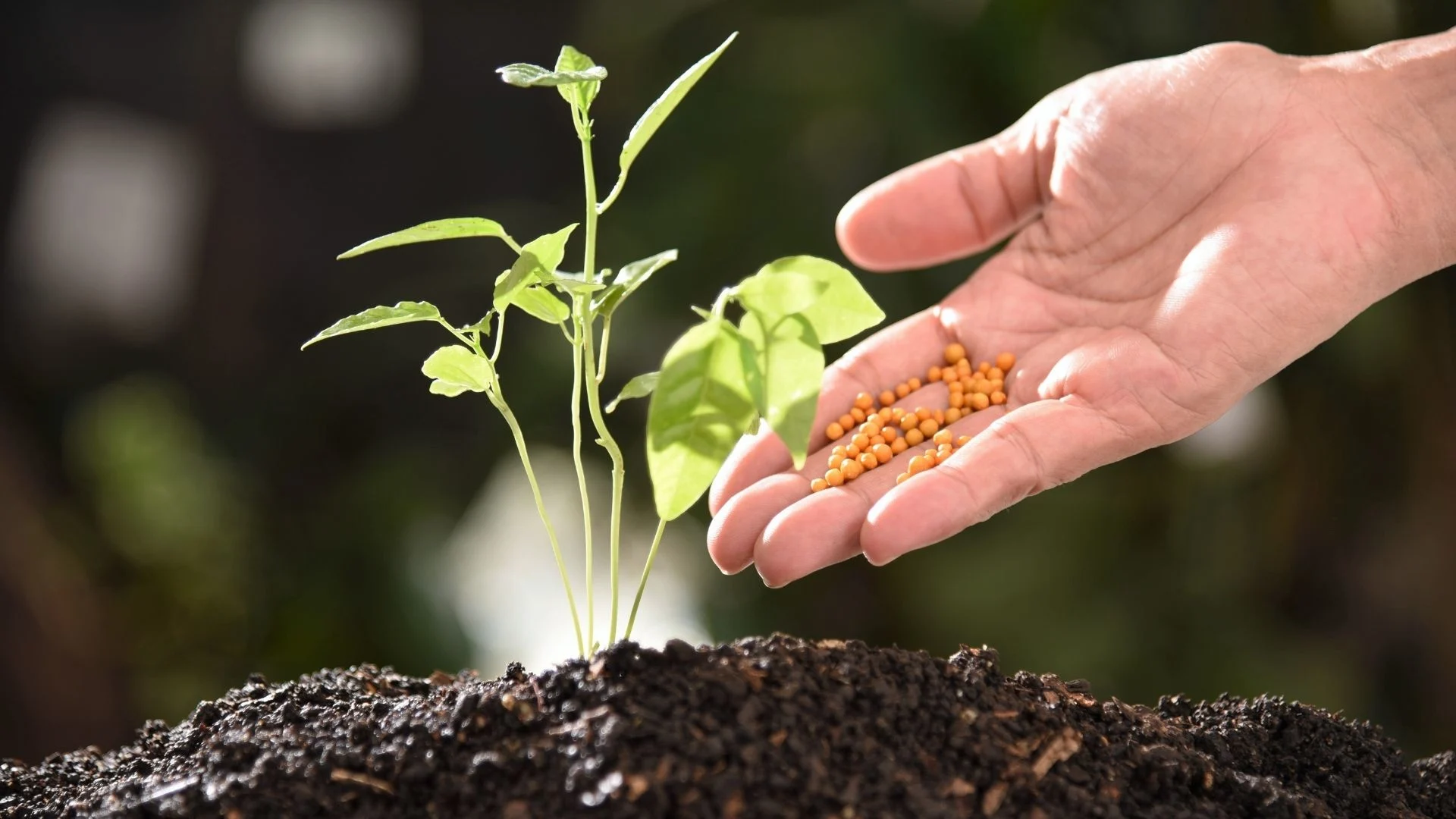
Fertilizer Suppliers in Türkiye: Market Innovations and Future
Fertilizer suppliers in Türkiye: innovations and the future of the market. Türkiye is located in a strategic geography with high agricultural potential.
The agricultural sector plays a vital role in the country's economy, both in terms of employment and food security. The sustainability and productivity of agricultural production are directly related to modern fertilization techniques. Therefore, innovations in the fertilizer supply chain and the sector are of great importance.
Advancing technology and a growing global population are increasing pressure on agricultural productivity. This situation is pushing the fertilizer sector to constantly innovate and offer more effective solutions. Fertilizer producers and suppliers in Türkiye play important roles in this dynamic environment. They go beyond simply providing the nutrients farmers need.
The sector is not only increasing product diversity but also moving towards environmentally friendly and sustainable practices. This approach aims to protect soil health and leave more productive lands for future generations. Digitalized agricultural practices have also added a new dimension to the fertilizer sector. Smart farming technologies maximize efficiency by optimizing fertilizer use.
This comprehensive guide will cover the current state of Türkiye's fertilizer sector, its key players, and significant market changes. Technological advancements in agricultural production and their impact on the fertilizer market will be examined in detail. Furthermore, sustainable approaches to the future of agriculture and innovations in this field will be discussed. Our aim is to provide a comprehensive overview of the situation in Türkiye. fertilizer suppliers And Innovations in the agricultural market The aim is to provide a comprehensive overview of it.
The position of the Turkish fertilizer sector in the national and international arena will also be evaluated. Strategies for increasing domestic production and reducing dependence on foreign sources will also be examined. This detailed analysis addresses a wide audience, from farmers to industrialists, policymakers to investors. The future of agriculture is being shaped by these transformations in the fertilizer sector.
Strategic Transformation in the Turkish Fertilizer Sector and the Importance of Domestic Production
The fertilizer sector in Türkiye has been undergoing a strategic transformation in recent years. This transformation is central to national food security and agricultural sustainability goals. Increasing domestic production is particularly critical for reducing dependence on foreign sources and ensuring economic stability. Manufacturers are contributing to this process through R&D investments.
Domestic fertilizer production strengthens the country's capacity to meet its agricultural input needs independently. This minimizes the risk of being affected by fluctuations in the global supply chain. At the same time, it supports regional development by contributing to local employment. Fertilizer manufacturers in Türkiye are taking significant steps in this area.
Increasing Domestic Fertilizer Production Capacity
Fertilizer factories in Türkiye have accelerated their investments in modernization and capacity increase. Thanks to these investments, significant progress has been made in the production of essential products such as ammonia, phosphoric acid, and nitrogen fertilizers. Facilities in cities such as Adana, Kütahya, and Samsun play a key role in meeting the country's fertilizer needs. Government support encourages these investments.
The integration of new technologies aims to increase production efficiency while reducing energy costs. This is a significant factor in enhancing competitiveness in the international market. Domestic fertilizer production offers farmers the following benefits:
- It provides access to more affordable fertilizers.
- It has a positive impact on agricultural costs.
- It increases the variety of accessible products.
These developments are an important part of national agricultural strategies.
The Effects of Agricultural Policies on the Fertilizer Sector
Government agricultural policies and subsidies play a decisive role in the development of the fertilizer sector. Support provided by the Ministry of Agriculture and Forestry facilitates farmers' access to fertilizers. This support also serves as a significant motivation for domestic producers to survive and grow. Long-term strategies shape the future of the sector.
Policies regulate not only production but also the quality and use of fertilizers. This encourages correct and balanced fertilization practices in agricultural areas. Türkiye's fertilizer suppliers, By acting within the framework of these policies, the market remains dynamic. Innovations in the agricultural market also develop along with these regulations.
R&D efforts in the sector focus on optimizing plant nutrition strategies in line with national goals. For example, the development of specially formulated fertilizers according to soil structure and plant needs is becoming widespread. These innovative approaches aim to achieve higher yields with fewer resources. Agricultural expectations for 2025 and beyond. This is also part of these strategies.
Especially Turkish fertilizer manufacturers, By producing in accordance with international standards, they are increasing their reliability in both domestic and foreign markets. In addition to chemical fertilizers, the production of organic and organomineral fertilizers has also gained momentum. This diversity offers farmers a wide range of products, thus providing optimal solutions for different soil and plant types.
This strategic transformation in the sector strengthens Türkiye's agricultural power and lays a solid foundation for future food security. Increasing domestic and national production capacity enhances the resilience of the agricultural sector. These developments enable the country to fully utilize its agricultural potential. Therefore, the fertilizer sector will continue to play a critical role for the national economy.
Agricultural Productivity and Innovative Fertilization Approaches
Increasing productivity in agricultural production has become more important than ever. In this context, innovative fertilization approaches offer revolutionary solutions in plant nutrition. Going beyond traditional methods, more targeted and environmentally friendly practices are being developed. These innovations are one of the cornerstones of sustainable agriculture.
Innovative fertilizers aim to maximize growth and yield by optimizing plant access to nutrients. These fertilizers often deliver the same or better results with smaller quantities. They also minimize environmental impact by reducing nutrient loss. Smart fertilization systems are an important part of these approaches.
The Role of Micronutrients and Specific Formulations
In plant development, micronutrients are just as important as macronutrients (nitrogen, phosphorus, potassium). Elements such as zinc, iron, manganese, and boron are essential for healthy plant growth. Innovative fertilizer manufacturers are developing special formulations that provide these elements in forms readily available to plants. This helps plants become more resistant to pests.
Specific fertilizers that address deficiencies identified through soil analysis directly impact productivity. For example..., Specific fertilization needs of olive trees Solutions targeting specific plants are becoming increasingly common. This type of targeted fertilization prevents resource waste and provides maximum effect. Each plant's nutritional needs can vary.
Smart Fertilization and Time-Controlled Release
Smart fertilization involves technologies that release nutrients to the plant at specific times and in specific amounts. Encapsulated or polymer-coated fertilizers prevent nutrients from being rapidly leached from the soil. This allows plants to benefit from nutrients for a longer period. This method significantly increases fertilizer use efficiency.
Time-controlled release fertilizers are ideal, especially for plants with long growing seasons. This technology reduces the frequency of fertilizer application, saving on labor costs. It also supports optimal growth by adjusting nutrient supply according to the plant's developmental stages. This..., Innovations in the agricultural market This is a prominent issue among them.
Biostimulants and Organomineral Fertilizers
In addition to traditional fertilizers, biostimulants and organomineral fertilizers are new generation products that increase agricultural productivity. Biostimulants increase the plant's resistance to stress and facilitate nutrient uptake. They support the plant's natural growth by triggering hormonal and enzymatic processes. These products are particularly effective under challenging conditions.
Organomineral fertilizers combine the benefits of organic matter with the effectiveness of mineral fertilizers. They improve soil structure while providing plants with rapid and balanced nutrient supplementation. This helps maintain soil health while increasing yields. These types of fertilizers..., Fertilizer suppliers in Türkiye It is also frequently presented by [author/organization name].
These innovative approaches enable farmers to obtain higher quality products with fewer inputs. They not only increase productivity but also contribute to environmental sustainability. Therefore, fertilization strategies are constantly evolving and shaping the future of agriculture. Developments in this field are enhancing the competitiveness of Turkish agriculture.
Environmentally Friendly Fertilizer Solutions and Applications for Sustainable Agriculture
Sustainable agriculture is one of the most important agricultural goals today. Environmentally friendly fertilizer solutions and practices play a critical role in achieving this goal. Protecting soil health, using water resources efficiently, and supporting biodiversity are fundamental principles of sustainable fertilization. Approaches that reduce environmental impacts are attracting great interest.
Some environmental problems caused by traditional fertilizer use have led to new approaches in the sector. Excessive fertilization can have negative consequences such as groundwater pollution and soil degradation. Therefore, more rational and ecological fertilization methods are being developed. The sector is focused on offering environmentally friendly solutions.
Organic Fertilizers and Soil Health
Organic fertilizers are an indispensable part of sustainable agricultural practices. Derived from natural sources such as animal manure, compost, and plant waste, these fertilizers increase the organic matter content of the soil. They improve soil structure, increasing water retention capacity and aeration. They also stimulate the activity of soil microorganisms.
Organic fertilizers provide a long-term source of nutrients to plants by releasing them slowly. This reduces nutrient leaching and prevents environmental pollution. They offer significant benefits in preventing soil erosion and maintaining soil fertility in the long term. The production and use of organic fertilizers are increasing in Türkiye.
Green Manuring and Biological Fixation
Green manuring is the process of incorporating planted crops (usually legumes) into the soil to increase soil fertility. This method reduces the need for chemical fertilizers by adding organic matter and nitrogen to the soil. Legumes, in particular, create a natural nitrogen source by fixing atmospheric nitrogen into the soil. This..., environmentally friendly fertilizer solutions It stands out among them.
Biological nitrogen fixation is an important way to provide nitrogen naturally in agricultural practices. Nitrogen-fixing bacteria form a symbiotic relationship with plant roots, converting atmospheric nitrogen into a form usable by plants. This reduces dependence on chemical nitrogen fertilizers. These natural processes are essential for sustainable agriculture.
Waste Transformation into Fertilizer and Circular Economy
Converting waste from the agricultural and food industry into fertilizer is an approach consistent with circular economy principles. Digestates produced in biogas plants or products obtained through composting are valuable fertilizer sources. This method supports waste management while creating new fertilizer sources. Reusing waste provides environmental benefits.
Such practices both reduce environmental pollution and help conserve natural resources. Fertilizer suppliers in Türkiye, By investing in R&D activities in this field, the sector offers innovative solutions., in agricultural blogs It places great importance on these frequently emphasized sustainable approaches. It also provides economic and ecological benefits for farmers.
Environmentally friendly fertilization practices ensure the preservation of soils that will meet the food needs not only of present generations but also of future generations. These approaches are a fundamental component of modern agriculture and are of strategic importance for the future of Turkish agriculture. Sustainability has become a priority criterion at every stage of the fertilizer sector.
Digital Agriculture, Smart Fertilization, and Future Trends
Digital agriculture is one of the biggest revolutions in agricultural production in the modern era. This concept aims to increase efficiency and sustainability by combining data, technology, and automation in agricultural activities. Smart fertilization is one of the most effective application areas of digital agriculture. These technologies offer significant advantages to farmers.
The agriculture of the future will largely rely on precision farming techniques. These techniques enable the application of fertilizers, water, and pesticides specifically to each area of the field. This prevents resource waste while ensuring optimal plant development. Digitalization is also profoundly impacting the fertilizer sector.
Precision Agriculture and Variable Rate Fertilization
Precision agriculture collects soil analysis and plant health data through GPS-enabled tractors, drones, and sensors. This data maps nutrient deficiencies or excesses in different areas of the field. Variable rate fertilization (VRT) technology ensures that each area receives exactly the right amount of fertilizer according to these maps. This optimizes fertilizer consumption.
These systems reduce fertilizer costs while minimizing environmental impact. They also improve nutrient uptake by plants, leading to healthier and more productive crops. Productivity increases are particularly significant in large agricultural operations. Turkish fertilizer producers and suppliers, It develops products compatible with these technologies.
The Role of Artificial Intelligence and Machine Learning in Fertilization
Artificial intelligence (AI) and machine learning (ML) algorithms analyze collected agricultural data to provide predictions and recommendations for fertilization strategies. By considering numerous factors such as soil moisture, plant growth stage, and weather conditions, they determine the optimal time and amount of fertilization. This minimizes human error.
AI-powered systems help in making instantaneous decisions by combining historical data and current conditions. This allows farmers to save time while optimizing resource utilization. In the future, fully autonomous fertilization systems are expected to become widespread. These developments..., Innovations in the agricultural market It is at the forefront among them.
Internet of Things (IoT) and Smart Sensors
Internet of Things (IoT) technology enables sensors used in agricultural fields to communicate with each other and with central systems. Data such as soil temperature, moisture content, pH level, and nutrient content are collected in real-time. These sensors determine the stress levels and nutrient needs of plants in real time. This information forms the basis for smart fertilization decisions.
Thanks to smart sensors, farmers can monitor their fields remotely and make necessary interventions in a timely manner. This prevents fertilizer waste, reducing costs and providing environmental benefits. Remotely controllable irrigation and fertilization systems make agricultural operations more efficient. These technological advancements..., Fertilizer suppliers in Türkiye It creates new business models for this purpose.
The widespread adoption of digital farming and smart fertilization systems will make Turkish agriculture more competitive and sustainable. These innovations will not only increase yields but also enable more conscious use of resources. The agriculture of the future will be shaped by the integration of technology and science.
Frequently Asked Questions
What are the most prominent recent fertilizer innovations in the agricultural market?
Innovations in the agricultural market include smart fertilizers, nanotechnology fertilizers, and biostimulants. Additionally, variable rate fertilization systems integrated with precision agriculture practices are attracting significant interest. These innovations aim to increase productivity while reducing environmental impact.
What are the benefits of organic fertilizers for soil health?
Organic fertilizers improve the physical structure of the soil by increasing its organic matter content and strengthen its water-holding capacity. They also increase the diversity and activity of soil microorganisms, facilitating easier uptake of plant nutrients. Furthermore, they are effective in preventing soil erosion and maintaining long-term productivity.
Why are sustainable fertilization practices important?
Sustainable fertilization practices are critical for reducing environmental pollution, conserving natural resources, and ensuring food security for future generations. These practices optimize fertilizer use, providing both economic benefits and easing pressure on ecosystems. They also support soil health and biodiversity.
How do digital farming technologies affect fertilizer use?
Digital farming technologies, thanks to tools such as sensors, drones, and artificial intelligence, determine the immediate needs of the soil and plants. This ensures that fertilizers are applied only when and in the required amount, preventing waste and increasing productivity. Precise and variable-rate fertilization maximizes resource efficiency.
 Türkçe
  English