
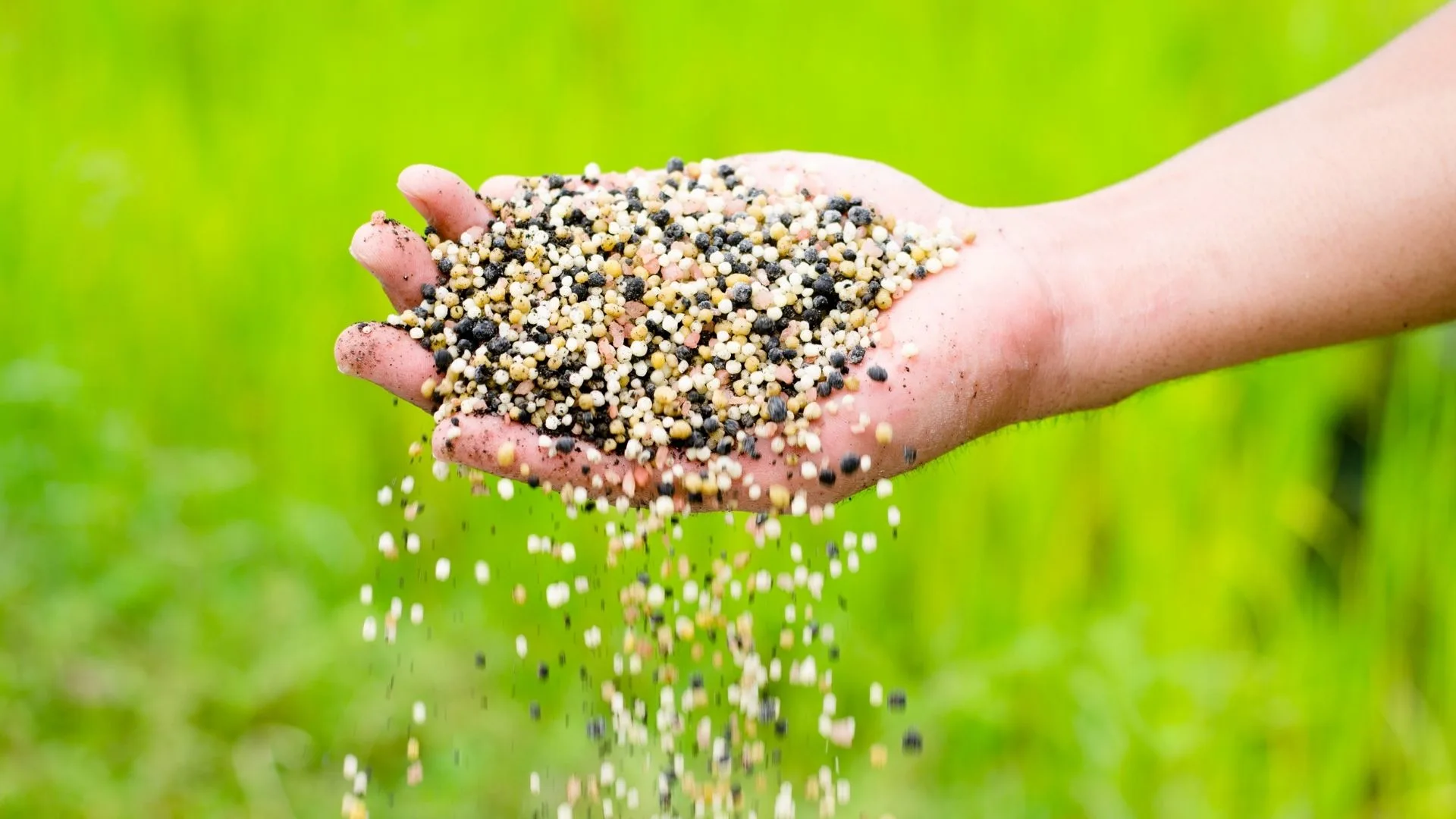
A Guide to Liquid, Powder, and Chemical Fertilizers for Efficient Agriculture: Effective Use
A guide to liquid, powder, and chemical fertilizers for efficient farming: effective use. Fertilizer application in agriculture and plant cultivation is one of the cornerstones of productivity and crop quality.
However, the correct application methods are just as important as the type of fertilizer.
Fertilizers, available in liquid, powder, and chemical forms, meet the specific needs of plants at different stages of development and according to soil conditions. This variety offers a wide range of options for farmers and hobby gardeners.
Each type of fertilizer has its own specific application techniques, advantages, and points to consider. Incorrect applications can harm plants instead of benefiting them, or lead to negative environmental consequences.
This guide will discuss the effective and informed use of different types of fertilizers. Learning the correct fertilization strategies is crucial for ensuring healthy plant growth and abundant yields.
Every stage, from soil analysis results to fertilizer selection and application timing, will be examined in detail. This will allow you to maximize your plants' potential and contribute to sustainable farming principles.
Learning the correct application techniques prevents resource waste and reduces environmental impact. Fertilization is the art and science of plant nutrition. This guide will show you how to apply this art and science.
The Power of Liquid Fertilizers: Ease of Application and Fast Effect
Liquid fertilizers are an important plant nutrition tool in modern agriculture, offering flexibility and rapid results. They are particularly preferred for meeting the immediate nutrient needs of plants or during critical growth periods. These fertilizers have concentrated formulas that mix easily with water.
Nutrients in liquid form are absorbed much faster by plants. This is especially vital for plants under stress. The rapid effect leads to a noticeable revitalization and improvement in plants.
Liquid fertilizers also offer a major advantage in terms of ease of application. Different application methods Thanks to this method, it has a wide range of uses, from field crops to hobby gardens. These methods ensure that the fertilizer reaches the plant or soil directly.
Drip irrigation systems, foliar spraying, or direct soil application allow for efficient distribution of liquid fertilizers. This flexibility saves farmers and growers time and labor.
Foliar Application Techniques
Foliar application is one of the most effective methods of using liquid fertilizers. In this method, the fertilizer is sprayed onto the leaf surface of the plant in the form of a fine mist. The nutrients are quickly absorbed through the stomata on the leaves.
This technique is particularly useful when micronutrient deficiencies need to be addressed quickly. Foliar applications can be a lifesaver when the plant's root system is not receiving enough nutrients or when soil conditions make nutrient uptake difficult.
The most important point to consider during application is that the weather should be calm and not too hot. Early morning or late evening hours are generally preferred. This prevents the leaves from burning and increases absorption.
Foliar fertilizers support the overall health of the plant and provide energy during the growth period. This method protects the plant from stress while also increasing photosynthetic efficiency.
Integration with Drip Irrigation
Applying liquid fertilizer through drip irrigation systems is a modern and efficient technique. This method delivers fertilizer directly to the plant's root zone along with the water.
This practice, also known as fertilization, ensures that nutrients are continuously and regularly absorbed by the plant. This minimizes nutrient losses and maximizes fertilizer efficiency.
Drip irrigation integration enables the automation of fertilization. This reduces labor costs while ensuring that the plant receives nutrients when it needs them. It is a preferred method, especially in large-scale agricultural areas.
In this system, fertilizer dosage and application frequency can be precisely adjusted. Targeted fertilization can be achieved by changing nutrient ratios according to the plant's growth stage.
Points to Consider When Choosing Liquid Fertilizers
When choosing liquid fertilizer, the plant species, growth stage, and soil analysis results should be considered. Each plant has different nutritional needs. Specialized fertilization programs It is a guide in this matter.
The market offers liquid fertilizers containing either a single nutrient or complex fertilizers containing multiple nutrients. The correct product should be selected according to the plant's specific deficiency.
Factors such as pH value, salinity level, and other additives are also important. Some liquid fertilizers may contain humic acid or seaweed extracts to support plant growth. These additives are beneficial to plant health.
Choosing products from quality and reliable brands is a critical step in achieving the desired results. The product's expiration date and storage conditions should also be considered. The right choice directly affects plant growth.
Advantages of Powder Fertilizers: Contribution to Soil Structure and Long-Term Release
Powdered fertilizers are used to provide a long-term and continuous effect in plant nutrition. They are usually in granular or pellet form and are applied by mixing them into the soil. One of the most important characteristics of these fertilizers is that they release nutrients slowly.
Thanks to their slow-release structure, plants can absorb nutrients regularly over a long period. This reduces the need for frequent fertilization and lowers the risk of nutrients being lost through leaching.
Powdered fertilizers can also contribute physically to soil structure. Some organic powdered fertilizers increase the soil's water-holding capacity and improve aeration. This prepares the ground for healthy root development.
Powdered fertilizers, especially those applied by mixing them into the soil before or during planting, help plants get a strong start in their early developmental stages. They also increase the overall nutrient level of the soil.
Mixing and Spreading Methods into the Soil
One of the most common methods of applying powdered fertilizers is mixing them into the soil. This process ensures that the fertilizer is evenly distributed throughout the soil, allowing plant roots to easily access the nutrients.
Broadcasting is a preferred method, especially for large areas and before planting. The fertilizer is spread evenly over the field or garden and then mixed in with tillage equipment. This ensures that the entire surface is nourished.
It is also possible to apply the fertilizer by scattering it between plant rows or directly at the base of the plants. However, in this case, it is important to apply the fertilizer at a distance and in an amount that will not harm the plant roots. Overdosing should be avoided.
Light watering after application helps the fertilizer particles begin to dissolve. This accelerates the transfer of nutrients into the soil solution and facilitates their uptake by the plant.
Differences Between Granule and Pellet Forms
Powdered fertilizers are generally available in granular or pellet form. Granular fertilizers consist of irregularly shaped particles of varying sizes. This form generally tends to dissolve more quickly.
Pellet fertilizers, on the other hand, are compressed particles with more regular and homogeneous sizes. This compressed structure allows for a more controlled and slower release of nutrients. They are preferred especially in situations where a long-lasting effect is desired.
Both forms offer advantages depending on the intended use and plant needs. Granules are ideal for faster results, while pellets are perfect for long-term feeding. The choice depends on the specific requirements of the project.
Fertilizers in pellet form tend to produce less dust during storage and application. This provides an additional advantage in terms of ease of use and occupational safety. Choosing the appropriate form for the intended purpose is important.
Determining the Right Timing and Quantity
Correct timing and quantity are critical for the effective use of powdered fertilizers. Fertilization timing should be adjusted according to the plant's growth stages and soil analysis results. Fertilization programs It provides detailed information on this subject.
Generally, base fertilization is done before planting or sowing to increase the nutritional value of the soil. Additional fertilization may be necessary during the plant's growth stages.
The amount of fertilizer to be applied is determined based on soil analysis results, the targeted yield, and the nutrient needs of the plant species. Excessive fertilization harms the plant and also leads to environmental problems.
The recommendations of the manufacturers and the advice of expert agricultural engineers should be taken into account. Incorrect dosage can lead to nutrient imbalance and yield loss. Application should always be done in the recommended amounts.
The Role of Chemical Fertilizers: Macro and Micro Nutrient Balance
Chemical fertilizers are indispensable in plant nutrition and play a key role in increasing the productivity of agricultural production. These fertilizers contain macro (nitrogen, phosphorus, potassium) and micro (iron, zinc, manganese, etc.) nutrients that plants need in specific proportions.
A balanced supply of these nutrients is essential for the healthy growth and development of plants. Chemical fertilizers can quickly and effectively address nutrient deficiencies in the soil.
In modern agriculture, the precise application of chemical fertilizers is crucial for achieving high yields. Soil analysis plays a critical role in determining the required amount of each nutrient.
Incorrect or excessive use of chemical fertilizers can harm plants and lead to negative environmental consequences. Therefore, a conscious and controlled application approach should be adopted.
Effective Use of NPK Fertilizers
NPK fertilizers are the most commonly used type of chemical fertilizer in agriculture. Nitrogen (N), Phosphorus (P), and Potassium (K) are essential nutrients for plants. These three elements are required in different proportions at different stages of plant growth.
Nitrogen is vital for the development of the plant's green parts and protein synthesis. Phosphorus plays a critical role in root development, flowering, and fruit formation. Potassium regulates the plant's water balance and increases its resistance to diseases.
The effective use of NPK fertilizers requires selecting the appropriate formulation for the plant's developmental stage. For example, nitrogen-based fertilizers are preferred during the growth phase, while phosphorus and potassium-based fertilizers are preferred during the flowering and fruiting phases.
Dosage and application timing should be adjusted according to plant species, soil type, and climatic conditions. Following the manufacturer's instructions and soil analysis results guarantees the best results.
The Importance of Micronutrient Supplements
Micronutrients are just as essential as macronutrients for plant health. Elements such as iron, zinc, manganese, boron, copper, and molybdenum, although needed by plants in much smaller amounts, can lead to serious growth disorders if deficiencies occur.
Micronutrient deficiencies can manifest in plants with symptoms such as chlorosis (yellowing), growth retardation, and flower and fruit drop. These deficiencies negatively affect the plant's photosynthesis and metabolic processes.
Supplementing micronutrients through chemical fertilizers is the best way to address these deficiencies quickly and effectively. Specialized micronutrient blends or single-element fertilizers can be used.
Micronutrients are highly sensitive to soil pH. Therefore, it may be necessary to select formulations suitable for the soil pH level or to use alternative methods such as foliar application. Correct supplementation protects plant health.
Strategies for Minimizing Environmental Impacts
Minimizing the environmental impact of chemical fertilizers is fundamental to sustainable agricultural practices. Excessive or incorrect fertilizer use can lead to groundwater pollution and soil degradation.
To prevent these negative effects, precision farming techniques And smart fertilization strategies should be adopted. These include soil analysis, accurate dosage, appropriate application time, and placement techniques.
Choosing slow-release or coated chemical fertilizers ensures the controlled release of nutrients into the soil. This reduces nutrient loss through leaching and evaporation, thus protecting the environment.
Increasing the soil's buffering capacity through the addition of organic matter is also important. This helps the soil retain nutrients better and reduces the negative effects of chemical fertilizers. Integrated approaches are always better.
General Principles and Common Mistakes in Fertilizer Application
Creating an effective fertilization program requires not only choosing the right type of fertilizer but also understanding the principles of its application. General principles aim to minimize environmental impact while maximizing plant health. Fertilization is one of the most critical steps in a plant's life cycle.
Avoiding common mistakes saves costs and prevents crop loss. Ignoring the actual needs of plants is a frequent error. A balanced approach to fertilization is essential.
Having a soil analysis done and accurately determining the plant's nutrient needs should be the starting point of any fertilization plan. This prevents unnecessary fertilizer use and helps in selecting the right fertilizer.
Applying fertilizer at the right time, in the right amount, and using the right method is key to success. This allows plants to utilize nutrients most efficiently and contributes to high yields.
The Importance of Soil Analysis
Soil analysis forms the basis of fertilization planning. This analysis determines the existing nutrients, pH value, and organic matter content of the soil, indicating what the plant needs.
Analysis results reveal which nutrients are deficient or in excess. This allows for the creation of a personalized fertilization program for the plant, preventing unnecessary fertilizer use.
Soil pH directly affects the availability of nutrients to plants. Acidic or alkaline soils can cause some nutrients to become locked up. Analysis reveals ways to correct pH imbalances.
Regular soil analysis is the most effective way to monitor soil health and ensure sustainable productivity. This is essential for informed and efficient farming.
Dose Adjustment and Calibration
Proper dosage adjustment and calibration of fertilizer application machines ensures even and accurate fertilizer application. Incorrect calibration can lead to over-fertilization of some areas of the field and under-fertilization of others.
This situation leads to unbalanced plant growth, yield loss, and resource waste. Using precise dosing equipment is especially important in large agricultural areas.
Even with manual applications, the recommended dosages must be strictly adhered to. Even a small error can lead to significant differences in plant development. Always use scales or measuring cups.
The density and granular structure of the fertilizer used also affect the calibration. Considering these factors, machine settings should be checked before each application and recalibrated if necessary. Correct settings increase efficiency.
Seasonal Application Calendars
The seasonal fertilization schedule should be compatible with the plant's life cycle. Plants have different nutrient needs at different growth stages. Establishing this schedule correctly is crucial.
Generally, base fertilization is done in the spring, before plants enter their active growth period. This gives the plant a chance to get off to a strong start. Winter preparation fertilization is also available.
During the summer months, additional fertilization may be needed during flowering and fruit formation. Autumn, on the other hand, is ideal for storing nutrients in the soil and preparing it for the next season.
Seasonal calendars can vary depending on regional climate conditions, plant type, and soil characteristics. Seeking advice from local agricultural experts or agricultural engineers will help determine the most suitable calendar.
Frequently Asked Questions
Which is more effective: liquid fertilizer or powder fertilizer?
Both types of fertilizers have their own advantages. Liquid fertilizers are more effective, while powder fertilizers provide a longer-lasting and controlled release. Effectiveness varies depending on the plant's needs and the purpose of application.
What are the environmental damages of chemical fertilizers?
Excessive or incorrect use of chemical fertilizers can lead to groundwater pollution, soil degradation, and biodiversity loss. However, these risks can be minimized with conscious and balanced use.
Why is soil analysis important?
Soil analysis determines the soil's current nutrient levels, pH value, and organic matter content. This is fundamental to identifying the plant's actual nutrient needs and creating an accurate fertilization plan.
How should I create my fertilization program?
When creating your fertilization program, you should consider soil analysis results, the nutrient needs of your plant species and growth stage. Local climate conditions and grower recommendations should also be taken into account.
In which situations should foliar fertilization be preferred?
Foliar fertilization is preferred for quickly addressing urgent nutrient deficiencies in plants, in cases where the root system has difficulty uptakeing nutrients, or for micronutrient supplementation. It is particularly effective for plants under stress.
 Türkçe
  English