
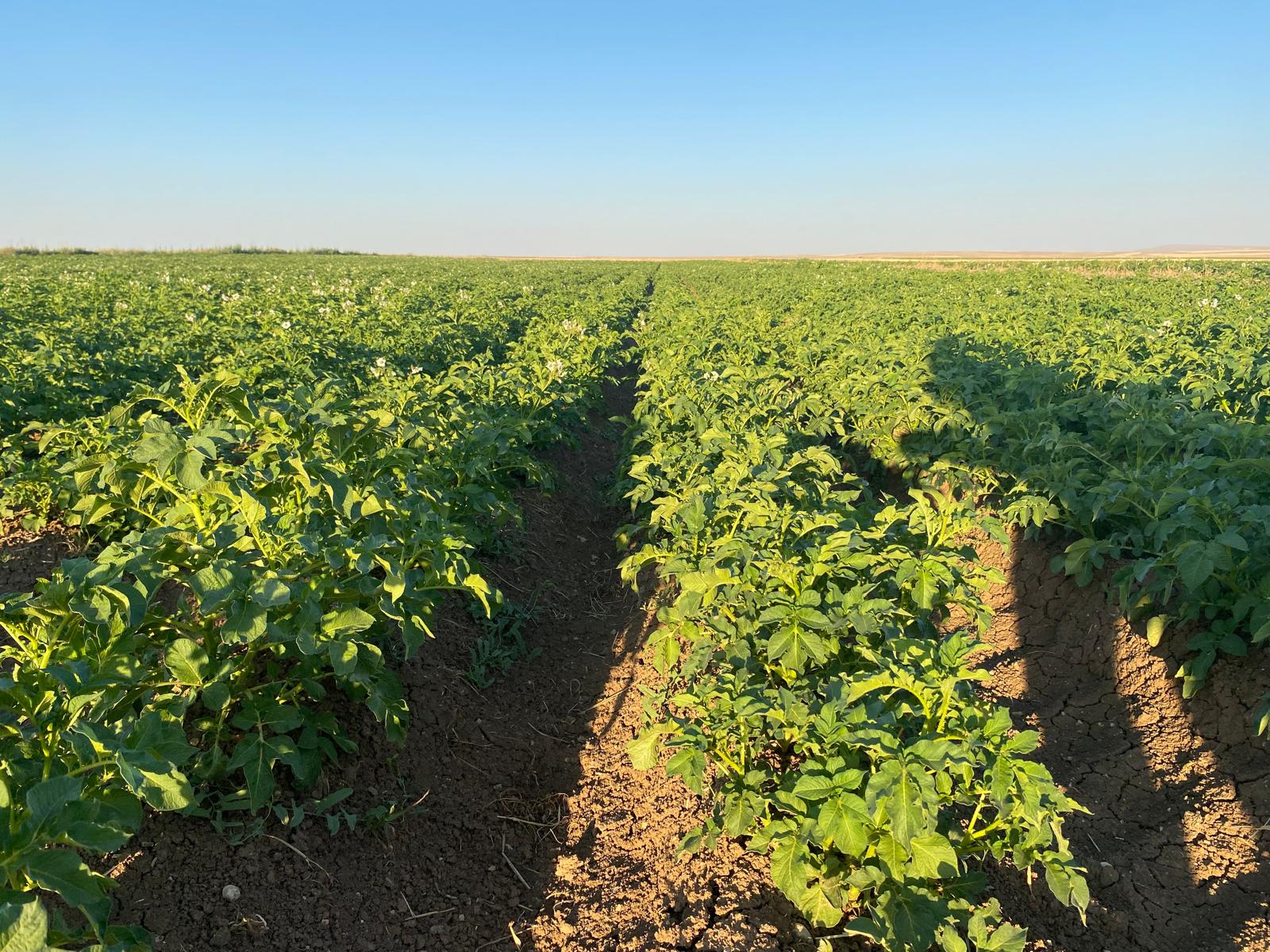
Potato Fertilizer Guide: Strategies to Increase Yield and Quality
Potatoes are a strategically important crop in global agriculture, particularly in Turkey, due to their high nutritional value and economic yield. However, potato cultivation requires meticulous planning because of the plant's intensive nutrient needs and sensitivity to soil type. Fertilizer for potatoes Selection is the most critical factor that directly determines not only the growth of the plant but also the quality of the tubers, their storage life, and market value. Founded in 2002 in the Netherlands and operating in Türkiye since 2013. FerNaBio Fertilizer We combine our global experience with local soil analysis to offer our farmers the most efficient solutions.
Nutritional Requirements and Soil Preparation of Potato Plants
Potato plants, during their short growing season (approximately 90-120 days), remove a very high amount of nutrients from the soil. Therefore, improving the physical and chemical structure of the soil before planting is essential. Potatoes prefer well-drained, aerated soils rich in organic matter and slightly acidic (pH 5.5 – 6.5). Very high soil pH increases the risk of physical defects such as potato scab, while also hindering nutrient uptake.
Soil analysis is essential when developing a fertilization strategy. The existing conditions in the soil... nitrogen (N), phosphorus (P) And potassium (K) Applying fertilizers randomly without determining the correct quantities will lead to both increased costs and deterioration of plant health. FerNaBio In line with our sustainable agriculture principles, we protect the soil structure and provide the plant with what it needs at the right time. Comparison of organic and chemical fertilizers We recommend selecting the most appropriate formulation by performing this procedure.
The Role of Nitrogen in Potato Development
Nitrogen is a fundamental element in the development of the green parts (stem and leaves) of the potato plant. Sufficient nitrogen supplied early in the growth phase helps the plant achieve a strong photosynthetic capacity. However, balance in nitrogen use is crucial. A deficiency causes yellowing of the leaves, stunted growth, and limited tuber formation. On the other hand, excessive nitrogen use can over-increase vegetative growth, delaying tuber set and reducing the plant's resistance to diseases.
Phosphorus and Root Development
Phosphorus is essential for energy transfer and the root system of potatoes. It plays a critical role, especially during the planting stage and the beginning of tuber formation (stolon formation). A strong root system allows the plant to absorb water and other nutrients more efficiently. In this process... plant root development Using focused, specialized formulations contributes to an increase in tuber count.
Potassium: A Source of Quality and Starch
Potatoes need potassium the most. Potassium regulates water balance, facilitates the transport of photosynthetic products from the leaves to the tubers, and increases the starch content in the tubers. It also increases the potato's resistance to impact and extends its storage life. Potato growers who want to achieve high yields should follow a potassium-rich feeding program, especially during the tuber swelling period.
Potato Fertilization Program and Application Times
For successful production, feeding should not be limited to planting but should be customized according to the different growth stages of the plant. FerNaBio prepared by potato fertilization program, It is based on the phenological stages of the plant.
1. Pre-planting and base fertilization
Base fertilizers applied to the soil at or just before planting should generally contain slow-release phosphorus and potassium. FerNaBio's rich, powdered products can be preferred during this period to support the soil's organic structure. Base fertilizer should be applied under or next to the potato seed (tuber), at a depth easily accessible to the roots.
2. Emergence and Vegetative Development Period
Once the plant emerges from the soil surface, it quickly begins to form leaves. During this period, nitrogen and magnesium supplementation maximizes the rate of photosynthesis. Liquid nitrogen fertilizers can be quickly delivered to the plant via drip irrigation systems (fertigation).
3. Initiation of Tuber Formation (Stolon Development)
This is one of the most sensitive periods for potatoes. During this phase, the plant's need for phosphorus and calcium increases. Calcium strengthens cell walls, making tubers more robust and preventing physiological disorders.
4. Tuber Swelling and Maturation Period
Potassium requirements peak during this period. Potassium sulfate-based fertilizers or liquid potassium solutions should be used to increase tuber size and dry matter content. Additionally, foliar fertilization at this stage increases the plant's resistance to stress conditions.
FerNaBio's Innovative Solutions: Liquid and Powder Fertilizers
We combine technology and science to increase productivity in agriculture. Based in the Netherlands. BIO G POWER Our products, developed with your support, are fully adapted to different climate and soil conditions. We stand by farmers in potato production with both foliar and soil application options.
Advantages of Liquid Fertilizers
Liquid fertilizers are rapidly absorbed by plants and give excellent results, especially in drip irrigation systems. For fast-growing crops like potatoes, liquid formulas are vital for immediately addressing nutrient deficiencies. For more detailed information... Liquid and powder fertilizer guide You can review our content. Our liquid products participate in metabolic processes by passing directly through the plant's stomata or root hairs.
The Effect of Powder and Granular Fertilizers
Powder fertilizers generally contain higher concentrations of nutrients and provide long-term nutrition. Powder formulas are indispensable, especially for base fertilization and meeting the soil's macroelement needs. FerNaBio's fully water-soluble powder fertilizers offer maximum performance in plant nutrition without leaving residue.
The Critical Effects of Microelements on Potatoes
Using only NPK (Nitrogen-Phosphorus-Potassium) is not sufficient for high potato yields. Microelements regulate the plant's enzyme activities and metabolic balance:
- Zinc (Zn): Zinc is essential for hormone synthesis and leaf development. A zinc deficiency causes smaller leaves and slowed plant growth.
- Manganese (Mn): It plays a role in photosynthesis and nitrogen metabolism.
- Boron (B): It is important for sugar transport and cell division. It helps prevent browning inside the tuber.
- Magnesium (Mg): Chlorophyll is the central atom; its absence causes photosynthesis to almost cease.
At FerNaBio, we focus on product development.R&DWe place great importance on these microelements being in chelated form in our processes. Chelated elements are capable of being directly absorbed by the plant without being bound in the soil.
Sustainable Potato Farming and Environmental Awareness
In modern agricultural practices, we must consider not only today's yield but also tomorrow's soil health. Excessive and indiscriminate use of fertilizers leads to soil salinity, groundwater pollution, and disruption of soil microflora. FerNaBio Fertilizer As such, we promote sustainable farming techniques and develop our products with environmentally friendly formulas.
With our hydroponic-compatible ingredients, we ensure maximum yield with minimum water and fertilizer use in controlled environments. In potato farming, nutrient programs supported by controlled-release fertilizers and plant growth regulators increase farmer profitability while protecting ecological balance.
Common Fertilization Mistakes in Potato Cultivation
- Fertilization Without Analysis: Applying fertilizer without knowing what's in the soil is both a waste of money and poisons the plant.
- Wrong Timing: Applying nitrogen-heavy fertilizers during the period when potatoes need potassium the most will cause the tubers to remain small.
- Use of Chlorinated Fertilizers: Potatoes are sensitive to chlorine. Potassium sulfate should be preferred over potassium chloride as a source of potassium.
- The Relationship Between Irrigation and Fertilization: Insufficient watering after fertilization can cause fertilizer to accumulate in the root zone and have a burning effect.
FerNaBio's expert technical team provides continuous training and consulting support to our farmers in the field to help them avoid these mistakes. With our understanding of "Health in plants, abundance in harvest," we strive to ensure that each potato tuber grows to the highest quality.
The Relationship Between Potato Storage Life and Fertilization
The preservation of potatoes in storage after harvest is directly related to nutrition during the growing season. In plants with well-established calcium and potassium balance, the tuber skin is more robust. This prevents water loss and creates a natural barrier against fungal diseases. Furthermore, avoiding excessive nitrogen application close to harvest is critical for the complete maturation of the tubers.
At FerNaBio Fertilizer, we bring together the Netherlands' leadership in agricultural technology with the fertile lands of Türkiye. With the customized solutions we offer to potato producers, we aim for superior products not only in quantity but also in nutritional value and commercial quality. We will continue to shape the future of agriculture with innovative plant nutrition strategies.
Frequently Asked Questions
When and how should base fertilizer be applied in potato farming?
In potato farming, base fertilizer is generally applied to the soil at the same time as or just before planting. This fertilization should be done in a band method, approximately 5-10 cm to the side or below the potato tubers (seed tubers). Base fertilizers typically contain slow-release phosphorus and potassium, providing the energy the plant needs during the initial rooting and stolon formation stages. FerNaBio's rich, powdered base fertilizers support the soil's physical structure, helping the plant get off to a strong start in the season.
How can potassium deficiency be identified in potatoes and how does it affect yield?
Potassium deficiency in potato plants first manifests as brown burns and curling on the edges of older leaves. The plant generally takes on a wilted appearance, and tuber development slows down. Potassium deficiency leads to low starch content in tubers, increased internal browning, and a shorter post-harvest storage life. To prevent this, which directly reduces yield, supplementation with liquid or powder fertilizers containing potassium sulfate, especially during the tuber swelling period, is vital.
How effective is foliar fertilization in potato production?
Foliar fertilization is a supplementary method that allows potato plants to quickly absorb microelements that they cannot obtain through their roots or that are bound due to adverse soil conditions (high pH, drought, etc.). Foliar applications, especially during the growth stages, increase photosynthetic efficiency and strengthen the plant's resistance to environmental stressors. FerNaBio's liquid chelated microelement solutions are rapidly absorbed through the leaf tissue, stimulating the plant's metabolism and improving tuber quality; however, this application should be considered as a supplement to, not a replacement for, base fertilization.
What is the effect of organic fertilizers on potato tuber quality?
Organic fertilizers and soil conditioners indirectly improve tuber quality in potato farming by increasing the soil's water-holding capacity and stimulating microbial activity. Potatoes grown in soils rich in organic matter have smoother skins and improved taste and aroma profiles due to more balanced nutrient uptake. Furthermore, organic fertilizers maintain the soil's pH balance, facilitating the plant's access to macro and microelements. FerNaBio recommends the balanced use of organic materials alongside chemical fertilizers within the framework of sustainable agriculture.
What are the disadvantages of excessive nitrogen use in potato cultivation?
Excessive nitrogen use in potato cultivation causes the plant to expend its energy on continuously producing leaves and stems (vegetative parts) instead of developing tubers. This delays tuber formation, increases the water content of the tubers while decreasing starch content, and weakens the skin structure. Furthermore, plants with excessive nitrogen are softer, making them more susceptible to mildew and other fungal diseases, as well as pests. Therefore, nitrogen should be applied in a balanced manner, divided according to the plant's developmental stages and adhering to soil analysis results.
 Türkçe
  English