
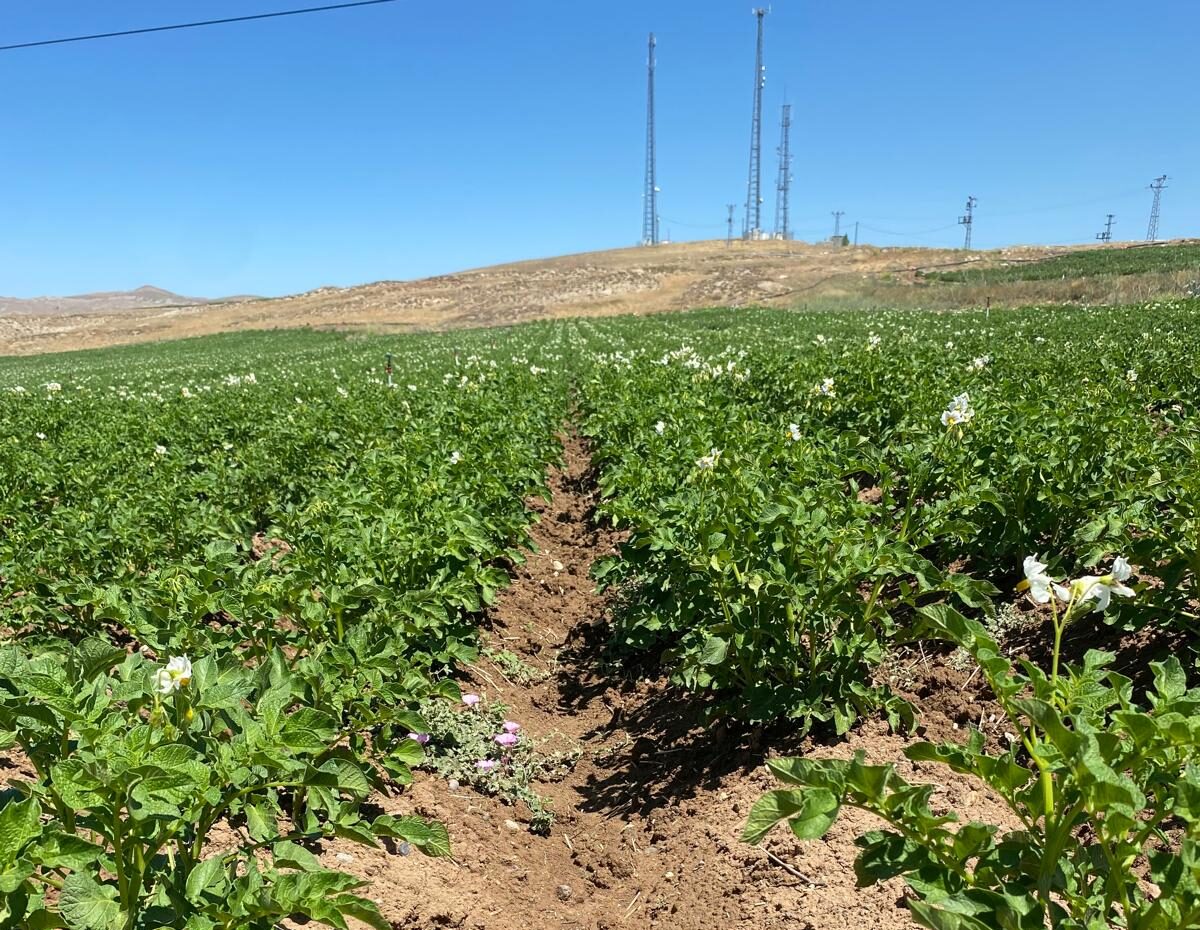
Fertilizers Used in Potato Cultivation: A Comprehensive Guide for High Yield and Quality
Potatoes are the fourth most produced staple food crop worldwide, after wheat, corn, and rice. In Türkiye, potato cultivation, a cornerstone of the agricultural economy, is a sector requiring high input costs and delicate care processes. High yields per unit area and tuber quality suitable for industrial or table consumption largely depend on correct feeding strategies. This guide will..., fertilizers used in potato planting, Application times, the roles of nutrients in plant physiology, and sustainable farming practices will be discussed in detail.
Nutritional Requirements of Potato Plants and Soil Structure
Potatoes are a plant with a relatively shallow root system but which produces a large amount of biomass and tubers in a short time. Therefore, it is critical that nutrients are readily available in the soil. The most ideal soils for potato cultivation are well-drained, well-aerated, organic matter-rich, and slightly acidic (pH 5.5 – 6.5) loamy soils.
Analyses carried out during the soil preparation phase, fertilizers used in potato planting This is the key factor determining which of the available options to choose. The balance of nitrogen, phosphorus, and potassium that the plant needs throughout its growth stages should be customized according to the soil structure. Potato Fertilization Program When creating the soil, the existing nutrient reserves must be taken into account.
The Role of Macronutrients
Potatoes need high amounts of three main macronutrients (NPKs) to have a healthy growth process:
- Nitrogen (N): It enables the growth of the plant's green parts (leaves and stem). By increasing its photosynthetic capacity, it produces the energy necessary for tuber formation. However, excessive nitrogen use can cause the plant to only develop leaves and delay tuber formation.
- Phosphorus (P): It promotes root development and increases tuber number. Phosphorus supplied early in the season increases the plant's resistance to stress. plant root development For this to happen, phosphorus must be in a form that can be absorbed by plants from the soil.
- Potassium (K): It is the most essential element for potatoes. It directly affects tuber quality, starch content, and storage life. It also regulates the plant's water balance, increasing its resistance to drought and diseases.
Types of Fertilizers Used in Potato Planting
Fertilizers used in potato production vary according to their formulations, application methods, and plant development stages. Today, with modern agricultural techniques... liquid fertilizers, powdered fertilizers And organic fertilizers It is used in an integrated manner.
Base Fertilizers (Pre-planting Applications)
Base fertilization is the application of fertilizers just before potato seeds come into contact with the soil or during planting. Slow-release or highly persistent compound fertilizers are generally preferred at this stage.
* DAP (Diammonium Phosphate): It is used to initiate root development due to its high phosphorus content.
* Compound Fertilizers (15-15-15, 10-25-20 etc.): It offers a balanced start according to the soil's needs.
* Organic Base Fertilizers: It improves soil structure and increases microbial activity. Comparison of organic and chemical fertilizers When this is done, it has been observed that organic matter increases the soil's water-holding capacity.
Top Fertilizers (Growth Stage Applications)
These fertilizers are applied after the plant has emerged and entered its rapid growth phase. During this period, nitrogen fertilizers (ammonium nitrate, urea) and potassium-based formulations are prominent. Fertilization during the hilling process is vital for tuber nutrition.
Foliar Fertilizers and Microelements
Foliar fertilization comes into play when soil uptake is difficult or when a rapid effect is desired. Trace elements such as magnesium, sulfur, zinc, boron, and manganese regulate the metabolic activities of potatoes. Zinc deficiency, in particular, can cause the potato tubers to remain small.
Fertilization Strategies in Potato Cultivation
Successful potato production depends not only on which fertilizer to use, but also on when and how to apply it. The fertilization strategy should be planned according to the phenological stages of the plant (emergence, stolon formation, tuber setting, tuber swelling, and ripening).
Planting Period and Beginning
Fertilizers applied during planting meet the young plant's initial energy needs. Intensive phosphorus application during this period increases the number of stolons (stalks carrying the tuber), thereby improving potential yield. Fertilizers used in potato planting That's why phosphorus is irreplaceable.
Tuber Formation and Development
The plant's potassium needs peak during the tuber formation period, which begins before flowering. Incorrect nitrogen application during this period will cause the plant to expend energy on the green parts of its foliage instead of nourishing the tubers. Fertilizers in the form of potassium sulfate are the safest and most effective source of potassium for potatoes, which are sensitive to chlorine.
Fertigation (Fertilization via Drip Irrigation)
Drip irrigation systems are becoming widespread in modern potato farming. The fertigation method allows fertilizer to be delivered directly to the root zone along with water. This method minimizes nutrient losses and ensures the plant receives the necessary elements at the right time. Liquid and powder fertilizer guide This allows us to examine which formulations are suitable for fertigation.
The Effect of Climate and Soil Conditions on Fertilization
Rainfall patterns and temperature values in potato-growing regions affect fertilization success. In very rainy regions, the risk of nitrogen leaching is high, so nitrogen applications should be done in installments. In arid regions, integrated irrigation management planning is essential to ensure the plant can absorb the fertilizer.
Soil pH is also a factor that directly affects nutrient uptake. In high pH soils, microelements such as iron and zinc are bound and cannot be absorbed by the plant. In such cases, chelated (EDTA, EDDHA, etc.) microelement fertilizers or sulfur-based products that regulate soil pH should be preferred.
Sustainable Agriculture and Soil Health
Continuously planting potatoes in the same field (monoculture farming) leads to soil depletion of certain nutrients and increased disease pressure. Crop rotation and organic matter supplementation are crucial for sustainable production.
The innovative solutions we offer at FerNaBio Fertilizer aim to ensure plants receive the nutrients they need in the most efficient way without disrupting the soil's biological structure. Our organic liquid fertilizers and specially formulated powder products both protect the environment and increase farmers' yields per unit area. Sustainability in plant production means protecting not only today's yield but also the soil's fertility for the future.
Common Mistakes in Potato Fertilization
- Failure to Conduct Soil Analysis: Applying fertilizer without knowing what's in the soil creates unnecessary costs and an imbalance in nutrient levels.
- Excessive Nitrogen Use: It causes the plant to grow enormously large, but the tuber set remains poor. In addition, excessive nitrogen shortens the storage life of the tubers.
- Choosing Chlorinated Fertilizers: Potatoes are sensitive to chlorine. Potassium sulfate should be preferred over potassium chloride (muriate of potash) as a source of potassium.
- Timing Error: Applying nutrients too far before or too late for the plant to meet its needs reduces uptake efficiency.
- Neglecting Microelements: A program based solely on NPKs will leave the plant's overall health and immune system weakened.
Success in potato farming lies in the details. When the right analysis, the right product, and the right timing are in place, a high-yield and high-quality harvest is inevitable. Farmers keeping up with modern agricultural technologies and plant nutrition innovations will enable them to stand out in global competition.
Frequently Asked Questions
When should base fertilizer be applied when planting potatoes?
Base fertilizer should be mixed into the soil just before potato planting or applied near the seed (but without direct contact) using a seed drill during planting. This application is done to support the plant's initial root development and to ensure that slow-moving elements such as phosphorus are readily available in the plant's root zone. This early fertilization allows the plant to emerge strongly from the soil surface and make a healthy start.
Which nutrient is critical for improving tuber quality?
Potassium is the most critical nutrient for potato tuber quality, starch content, dry matter content, and skin structure. It plays a leading role in the transport of sugars from the leaves to the tubers. Potatoes that receive sufficient potassium are larger, more durable, and experience less loss during storage. Furthermore, providing potassium in sulfate form (potassium sulfate) has a more positive effect on quality due to the potato's sensitivity to chlorine.
How effective is foliar fertilization in potatoes?
Foliar fertilization plays a complementary and critical role in potato cultivation, supporting soil fertilization during crucial periods. Nutrient uptake from the roots slows down, especially during rapid plant growth phases or when the soil is cold, excessively moist, or has an unbalanced pH level. At this stage, foliar application of microelements (zinc, boron, magnesium, etc.) and products containing specific amino acids accelerates the plant's metabolism, helping it overcome stressful conditions and prevent yield losses.
Why is nitrogen balance important in potatoes?
Nitrogen is a fundamental element in the development of the green parts of the potato plant, but its balanced application is vital. Nitrogen deficiency leads to stunted plant growth and reduced yield, while excessive nitrogen application encourages vegetative growth (only leaves and stems). This delays tuber formation, reduces the number of tubers, and makes the plant more susceptible to diseases. For ideal nitrogen management, it is recommended to apply the dosage in divided doses throughout the growth periods.
What is the role of organic fertilizers in potato cultivation?
Organic fertilizers in potato farming not only provide plant nutrients but also improve the physical and biological structure of the soil. They increase the soil's water-holding capacity, preventing water stress during drought periods and improving soil aeration. Furthermore, they enhance the activity of beneficial microorganisms in the soil, facilitating easier uptake of chemical fertilizers by the plant. For sustainable potato production, the integrated use of organic and chemical fertilizers yields the best results.
 Türkçe
  English