
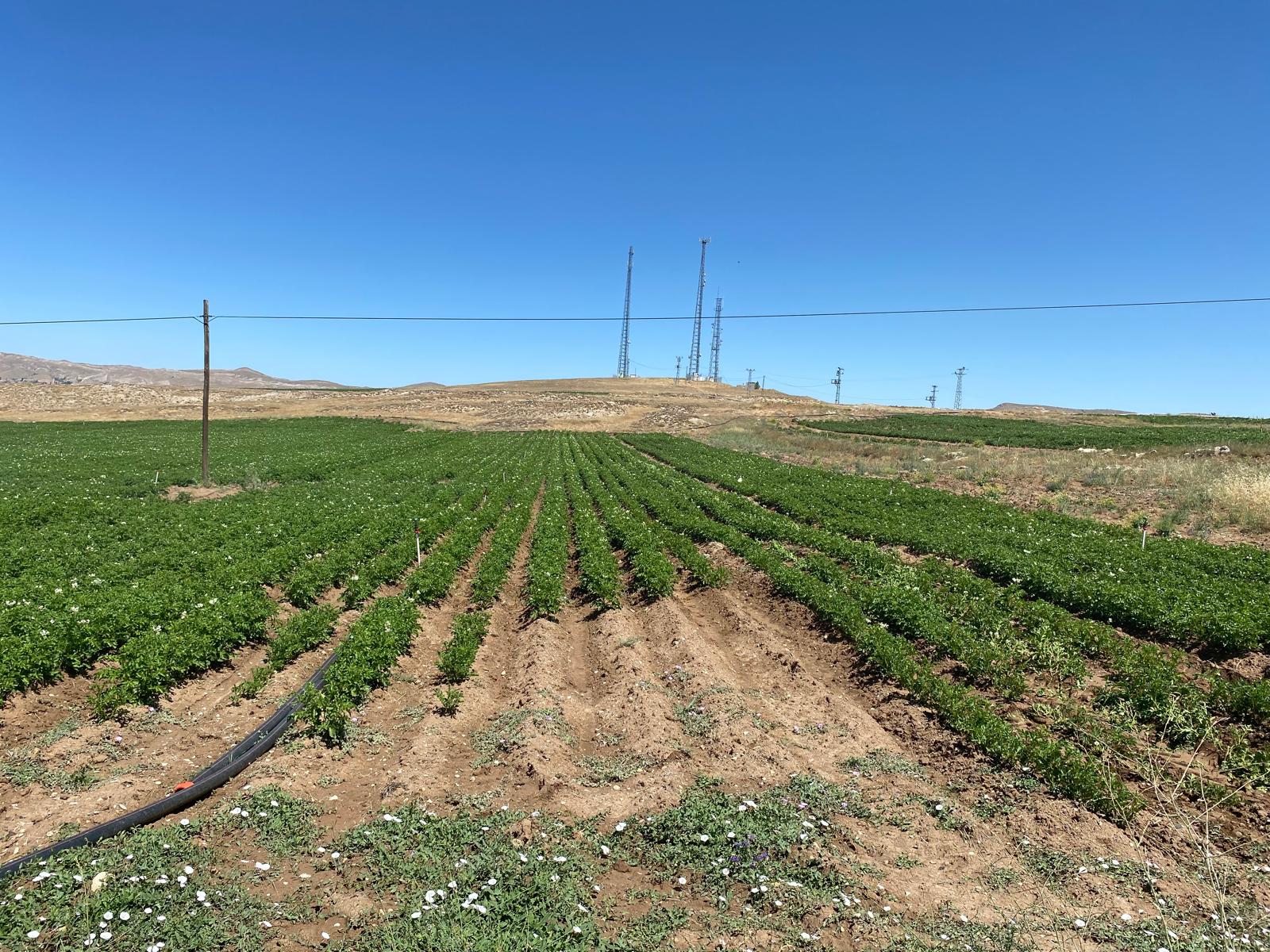
Potato Fertilizer Dosage Guide: Scientific Feeding Strategies for Yield and Quality
Potato cultivation is considered one of the cornerstones of food security worldwide. However, achieving high yields and industrial/table quality criteria requires not only seed selection but also precisely calculated planning. potato fertilizer dose This is possible with proper management. The amount of nutrients a potato plant needs varies depending on the existing soil structure, climatic conditions, irrigation method, and the targeted harvest quantity. In this guide, we will delve into scientific feeding strategies and correct dosing techniques to maximize productivity in potato production.
The Key to Productivity in Potato Production: Determining Potato Fertilizer Dosage
Potatoes are one of the plants that produce the most dry matter per unit area, thus removing a large amount of nutrients from the soil. Incorrect or insufficient application of these nutrients... potato fertilizer dose, This leads not only to yield loss but also to a decrease in tuber quality, a shortened storage life, and increased vulnerability of the plant to environmental stressors. The first step in determining the correct dose is to understand the plant's developmental stages and its physiological needs during these periods.
The potato's development process is divided into five main stages: germination, vegetative growth, tuber formation (tuber setting), tuber growth, and maturation. The plant's primary nutrient needs differ at each stage. For example, phosphorus is critical for root development in the initial stages, while potassium requirements peak during tuber growth. Therefore, instead of a one-time fertilization, a fertilization tailored to the plant's growth curve is necessary. potato fertilization program should be followed.
The Critical Role of Soil Analysis in Potato Fertilizer Dosage
In scientific agricultural practice, the era of "judging" the fertilizer application is long gone. Soil analysis is like an x-ray of the soil, revealing its existing nutrient reserves, pH level, lime content, and organic matter content. Determining the fertilization process without analysis is futile. potato fertilizer dose, This can lead to unnecessary excess nutrients in the soil (toxicity) or plant starvation.
Soil pH level directly affects the availability of nutrients. Potatoes generally prefer slightly acidic soils (pH 5.5 – 6.5). If the soil is very calcareous or has a high pH value, the applied phosphorus and microelements are bound by the soil and the plant cannot use them. In such cases, FerNaBio's specially formulated products can help. Liquid and powder fertilizer guide As in our content, using chelated products that are easily absorbed by the plant increases dosage efficiency.
The Functions of Macronutrients in Potato Development
The three main elements that potato plants need most are Nitrogen (N), Phosphorus (P), and Potassium (K). A balanced supply of these elements determines the overall development of the plant and the quality of the tubers.
Relationship between Nitrogen (N) and Tuber Yield and Quality
Nitrogen directly affects the development of the plant's foliage and its photosynthetic capacity. Potato plants that receive sufficient nitrogen develop a larger leaf surface area, converting solar energy more efficiently into starch. However... potato fertilizer dose Excess nitrogen in the plant causes it to only produce leaves and stems, delays tuber formation, and increases the water content of the tubers, shortening their storage life. Conversely, a deficiency causes the plant to remain stunted, the leaves to yellow, and yield to decrease significantly.
The Effect of Phosphorus (P) on Root and Initial Development
Phosphorus is essential for energy transfer (ATP) and cell division. It is particularly strong in potatoes during the early stages. plant root development The phosphorus dosage is vital for ensuring optimal performance. The amount of available phosphorus in the soil during the "tuber formation" period, when tuber number is determined, directly affects the number of potatoes that can be harvested. Phosphorus also improves the starch content and cooking quality of potatoes.
The Contribution of Potassium (K) to Starch Accumulation and Shelf Life
Potatoes are, quite literally, potassium gluttons. Potassium regulates water balance in the plant, activates enzymes, and directs the transport of sugars produced in the leaves to the tubers, where they are converted into starch. Correct. potato fertilizer dose Potassium, provided through feeding, increases the tubers' resistance to impact, prevents internal browning, and extends their shelf life. Growers who want to increase the dry matter content of potatoes should focus on potassium-rich feeding, especially during the tuber growth period.
Nutritional Requirements of Potatoes According to Their Phenological Stages
The rate of nutrient uptake by potatoes throughout their life cycle is not linear. Therefore, the timing of fertilization is as important as the dosage itself.
- Planting and Germination Period: At this stage, the plant uses its own reserves (seed tubers). However, for rapid root spread, phosphorus and some nitrogen, applied as base fertilizer, must be readily available in the soil.
- Vegetative Growth: During this period when the plant is growing taller and developing leaves, its nitrogen requirement is at its highest level. While the photosynthesis factory is being established, microelements such as magnesium and iron must also be supplied for chlorophyll synthesis.
- Node Formation: Phosphorus supplementation is essential to increase tuber number during this critical period when stolon tips begin to swell. Incorrect application during this period will limit yield potential from the outset.
- Tuber Growth (Bulking): This is the period of peak nutrient consumption. The plant draws high amounts of potassium and nitrogen from the soil every day. Liquid nutrients applied through irrigation will rapidly increase tuber volume.
- Maturation: Nitrogen application should be stopped during this pre-harvest period, and only potassium and calcium should be used to strengthen the tuber shell structure and durability.
Factors to Consider When Calculating Potato Fertilizer Dosage
When calculating an ideal dosage, simply asking "how many kilograms per decare" is insufficient. The following parameters must be included in the calculation:
Soil Structure and Texture
Sandy soils have a low capacity to retain nutrients; therefore, fertilizer doses should be applied in divided (partial) applications in such soils. Clay soils, on the other hand, have a high nutrient retention capacity, but drainage problems can hinder nutrient uptake. Depending on the soil structure... Comparison of organic and chemical fertilizers By doing so, improving the physical properties of the soil will increase the effectiveness of the dosage.
Genetic Potential of Potato Varieties
Early varieties consume nutrients much faster because they develop quickly in a short period of time. Late or industrial varieties, on the other hand, have a longer growing season, so the feeding program should be spread over this period. Seed quality and the yield potential of the variety determine the targeted... potato fertilizer dose This is a key determinant.
Irrigation Method and Water Quality
Drip irrigation (fertigation) is the method that allows for the most precise adjustment of fertilizer dosage. Since the nutrients delivered with the water reach the root zone directly, losses are minimized. In flood irrigation, however, the risk of nitrogen leaching is high, which may necessitate increased dosage, but this is neither economically nor environmentally sustainable.
The “Hidden” Power of Micronutrients
Although not needed in as high quantities as macronutrients, a deficiency in micronutrients leads to serious developmental problems in potatoes. Magnesium (Mg), It is the central atom of chlorophyll, the heart of photosynthesis. Calcium (Ca), It strengthens cell walls, preventing tuber cracking and internal defects. Zinc (Zn) And Boron (B) It acts as a catalyst for tuber development, as well as hormone balance, flowering, and pollen health. FerNaBio's specially formulated microelement-containing formulations meet these "hidden" needs of the plant, supporting the achievement of optimal results in performance analyses.
Sustainable Agriculture and the FerNaBio Approach
In modern agriculture, we must consider not only today's yield but also tomorrow's soil health. At FerNaBio Fertilizer, we combine our Dutch technological expertise with Türkiye's soil structure. Our aim is not just to sell products to our farmers, but to provide them with the most suitable solutions. potato fertilizer dose Our goal is to provide guidance on application methods. Our chemically formulated solutions, enriched with organic matter, maximize the plant's nutrient uptake capacity while preserving the soil's biological structure. Through sustainable agricultural practices, we bring the principles of plant health and abundant harvests to the fields.
To have a successful potato growing season, a fertilization plan based on soil analysis, tailored to the plant's developmental stages, and supplemented with microelements should be implemented. It should be remembered that the most expensive fertilizer is the one that the plant cannot absorb. With the right product, the right dose, and the right timing, high yields and quality potatoes are not an impossible dream.
Frequently Asked Questions
What is the most common mistake when determining potato fertilizer dosage?
The most common mistake is to fertilize based solely on the amounts used by other producers in the area without conducting a soil analysis. This leads to excessive nitrogen use, delaying tuber development, reducing disease resistance, and shortening the storage life of potatoes. Furthermore, applying all the phosphorus as base fertilizer, leaving the plant without nutrients during its most crucial growth stages, is another significant misconception that negatively impacts yield.
How is potato fertilization (fertigation) done using drip irrigation?
Drip irrigation fertilization involves mixing nutrients with water and delivering them directly to the plant root zone. In this method, potato fertilizer doses are divided and applied according to the plant's weekly needs. Fertigation reduces nutrient losses, optimizes water use, and ensures the plant has access to the necessary elements at every stage of its growth. The use of high-quality liquid fertilizers, in particular, prevents clogging in drip irrigation systems and increases the plant's absorption rate, supporting its development.
How can potassium deficiency be identified in potatoes and how does it affect yield?
Potassium deficiency in potatoes usually manifests as yellowing starting at the tips of older leaves, followed by bronzing and drying. The plant stem weakens and tends to lodge. In tuber development, potassium deficiency leads to low starch content, small tubers, and easy injury during post-harvest transport/storage. Since potassium enables the transport of sugar from the leaves to the tuber, its deficiency prevents the tubers from filling sufficiently, severely limiting yield potential.
How much does foliar fertilization affect potato yield?
Yaprak gübrelemesi, kökten alımın zorlaştığı (yüksek pH, kuraklık veya aşırı nem) durumlarda bitkiye hızlı bir destek sağlamak için mükemmel bir yöntemdir. Özellikle mikro elementlerin (çinko, bor, demir) ve kalsiyumun yapraktan uygulanması, bitkinin stres koşullarına direncini artırır ve yumru kalitesini doğrudan iyileştirir. Ancak yaprak gübrelemesi tek başına bir ana besleme yöntemi değil, toprak gübrelemesini tamamlayıcı bir unsurdur; doğru zamanda uygulandığında verim ve kalite üzerinde %10-20 oranında pozitif gelişim katkısı sağlayabilir.
What is the effect of organic fertilizers on potato tuber quality?
Organic fertilizers and soil conditioners improve the soil's water-holding capacity and aeration, resulting in more even and smoother development of potato tubers. By increasing the activity of beneficial microorganisms in the soil, they help the plant absorb chemical fertilizers more easily. Potatoes grown in soils rich in organic matter generally have a more balanced dry matter content, which positively affects both their taste and industrial processing quality.
 Türkçe
  English