
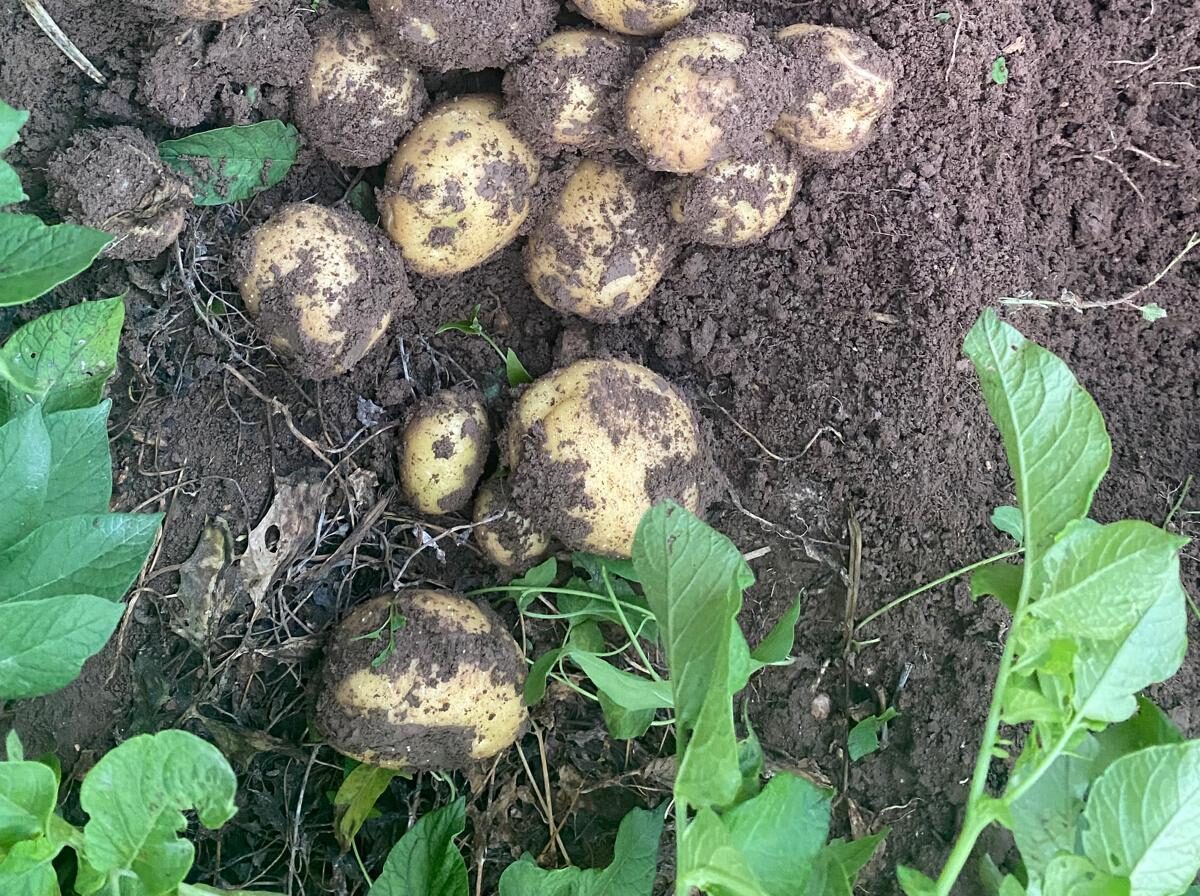
When Should Potatoes Be Fertilized? A Professional Fertilization Guide for High Yields.
Potato cultivation is one of the most important building blocks of the agricultural economy both globally and in Türkiye. However, obtaining the desired yield and quality from this valuable tuber crop is not possible solely through seed selection or irrigation. Plant nutrition Implementing the strategy at the right time and in the right amount is a key factor determining the success of potato farming. So, When should potatoes be fertilized?The answer to this question lies in the plant's phenological development stages. Potato plants require different nutrients at different times throughout their growth process. In this guide, we will examine the timing of potato fertilization in detail, from pre-planting to harvest.
The Importance and Basic Principles of Fertilization in Potato Farming
Potatoes are a high-yielding crop per unit area and therefore remove a large amount of nutrients from the soil. A balanced growth plan is essential for the plant to develop healthily, form a strong root system, and ultimately produce tubers with high market value. Potato fertilization The most critical point in this process is delivering the element the plant needs to the root zone or leaves at the moment it needs it most.
Fertilization not only increases yield but also directly affects the dry matter content, storage life, and rind quality of tubers. Applications at the wrong time can lead to excessive growth of the plant's vegetative parts (leaves and stems), hindering tuber development. Therefore, a professional grower should... potato fertilization program It should be prepared based on plant physiology.
Soil Preparation and Base Fertilization: The First Step
When should potatoes be fertilized? The first answer to that question is the period before the seeds even meet the soil. Base fertilization, It aims to provide the essential nutrients the plant will need from the moment of its emergence by ensuring they are readily available in the soil.
Pre-planting Soil Analysis
A comprehensive soil analysis must be carried out before starting any fertilization process. Applications made without knowing the soil's pH level, organic matter content, and existing nutrient reserves lead to both economic losses and disruption of soil balance. Potatoes prefer slightly acidic soils (pH 5.5 – 6.5). If the soil pH is too high, the uptake of nutrient elements may be restricted. At this stage, to improve the soil structure... Comparison of organic and chemical fertilizers The most suitable combination should be selected by performing this procedure.
Timing of Base Fertilizer Application
Base fertilizers are generally applied just before or at the time of planting. Specifically... phosphorus And potassium Some of the seeds should be planted at or slightly below seed depth because their mobility in the soil is low. This allows the young roots to easily access nutrients. Nitrogen A small portion should be given at the grassroots level, with the rest spread throughout the developmental process.
Fertilization Timings According to Potato Development Stages
The potato plant's life cycle can be divided into five main stages. Fertilization timing should be revised according to these stages.
1. Emergence and Early Vegetative Period
This is the period of 15-30 days after planting. During this time, the plant uses the reserves in the seed tuber, but as the root system develops, it begins to take nutrients from the soil. At this stage... nitrogen And zinc Support is critical for rapid emergence and healthy leaf formation. The right interventions early on determine the plant's photosynthetic capacity later on.
2. Initiation of Tuber Formation (Stolon Development)
This stage, coinciding with the plant's pre-flowering period, is the most critical moment in determining its yield potential. When should potatoes be fertilized? The most crucial answer to that question lies here: during the period when the tips of the stolons begin to swell. phosphorus The need reaches its peak. Phosphorus increases the number of nodules, calcium This support accelerates cell division, laying the foundation for a strong tuber. Plant root development Microelement supplementation at this stage also increases the plant's resistance to stress conditions.
3. Tuber Growth (Enlargement) Period
This period is when the tubers rapidly increase in volume and the plant consumes the most water and nutrients. It usually begins 45-60 days after emergence. At this stage, the main focus is... potassium Potassium is essential for transporting sugars produced in the leaves to the tubers. If potassium is deficient during this period, the tubers will remain small and their market value will decrease. Additionally, nitrogen should be applied in a controlled manner during this time; excessive nitrogen can halt tuber growth and redirect the plant back to developing foliage.
4. Maturation and Pre-Harvest
This is the period when the tubers form a husk and the dry matter content increases. Fertilization is gradually phased out approximately 2-3 weeks before harvest. Excessive watering and fertilization at this stage can cause the tuber husk to remain tender and lead to losses during storage.
Essential Nutrients and Timing Used in Potato Fertilization
Each nutrient has a different role and application schedule in potato physiology.
Nitrogen (N) Management
Azot, bitkinin boy atmasını ve yaprak alanının genişlemesini sağlar. Ancak patateste azot yönetimi bıçak sırtıdır. Azotun yaklaşık %30-40’ı ekimde, geri kalanı ise boğaz doldurma döneminde verilmelidir. Geç dönemde verilen aşırı azot, yumru olgunlaşmasını geciktirir.
Phosphorus (P) and Energy Transfer
Phosphorus is essential for energy transfer (ATP) and root development in plants. Potato plants consume most of their phosphorus in the early stages of development. Therefore, most phosphorus fertilizers should be applied to the soil as a base application.
Potassium (K) and Quality
Potatoes are known as a "potassium plant." Potassium makes up the largest portion of their total nutritional needs. Potassium applications should be intensified during the tuber enlargement period. Guide to liquid and powder fertilizers. When examined, it is clearly seen that the application of potassium through both drip irrigation and foliar applications has positive effects on yield.
The Role of Calcium and Magnesium
Calcium is essential for tuber shell quality and preventing internal browning. Magnesium, as the central atom of chlorophyll, ensures the continuity of photosynthesis. These elements should generally be given at regular intervals starting from the beginning of tuber formation.
Application Methods: Drip Irrigation and Foliar Fertilization
When should potatoes be fertilized? Just as important as the fertilizer itself is how it is applied. In modern agriculture... fertigation (Irrigation and fertilization) is the most effective method.
* Drip Irrigation: It allows nutrients to be delivered in portions according to the plant's needs. This prevents nutrient leaching and increases efficiency.
* Foliar Fertilization: It is used to quickly provide plants with microelements (zinc, boron, iron, manganese) and urgently needed macroelements. Foliar applications can be life-saving, especially during periods of plant stress (extreme heat, cold, or drought).
Increased Productivity in Potato Production with FerNaBio Solutions
At FerNaBio Fertilizer, we have been offering customized solutions to potato producers since 2002, leveraging our global experience. With our Netherlands-based R&D efforts and local production capabilities in Türkiye, we develop formulations suitable for every stage of potato development. Our products are designed to meet the nutritional needs of plants with the highest bioavailability rate. In line with our sustainable agriculture principles, we aim to increase harvest yields while preserving soil structure.
Other Factors Affecting Fertilization Timing
Not only plant age, but also external factors can change the fertilization schedule:
- Soil Structure: Nutrients are quickly leached from sandy soils. Therefore, fertilization should be done more frequently and in smaller amounts. In clay soils, however, application can be done at wider intervals due to their high storage capacity.
- Climatic Conditions: Excessive rainfall can remove nitrogen from the soil. In this case, additional nitrogen supplementation may be necessary. During dry periods, the dosage should be adjusted due to the risk of fertilizer burn.
- Potato Variety: Early varieties consume nutrients much faster, while late varieties require a longer feeding period.
Success in potato farming depends on observing the plant and understanding its language. When should potatoes be fertilized? The fundamental principle underlying this question is to monitor the physiological changes of the plant and provide the appropriate nutritional support to meet these changes. For correct timing, quality products, and sustainable agricultural profits, FerNaBio's innovative plant nutrition products are always there for you.
Frequently Asked Questions
Which fertilizer is applied first when planting potatoes?
In potato planting, the first step is applying fertilizers called 'base fertilizers,' which are generally high in phosphorus and potassium. This application is carried out just before the seed tubers come into contact with the soil or during planting. Because phosphorus has low mobility in the soil, placing it close to the root zone is vital for meeting the young plant's energy needs and fostering a strong root system. Additionally, a small amount of nitrogen is added at this stage to support the plant's initial emergence rate.
What is the importance of potassium during the tuber enlargement period?
The tuber enlargement period is the stage when the potato plant maximizes carbohydrate synthesis. Potassium acts as a 'transporter' in transporting sugars and starch produced through photosynthesis in the leaves to the tubers. Providing sufficient potassium support during this period ensures that the tubers increase in volume, have greater internal fullness, and a higher dry matter content. In fields with potassium deficiency, the tubers remain small, and the plant becomes much more vulnerable to water stress.
When should foliar fertilization be applied to potatoes?
Foliar fertilization in potatoes usually begins when the plant reaches 15-20 cm in height and can continue until the end of the tuber growth period. It is particularly effective in supplying microelements such as zinc, boron, and manganese. Furthermore, foliar fertilizers are preferred to provide a rapid energy boost to the plant in extremely hot or cold weather conditions where nutrient uptake by the roots slows down. Foliar applications containing calcium and boron at the beginning of tuber formation directly increase the number and quality of tubers.
How does soil type affect the timing of fertilization?
Soil type is the main factor determining the frequency and dosage of fertilization strategy. Sandy and light-textured soils have low water-holding capacity, so nutrients (especially nitrogen and potassium) are quickly leached to the lower layers. In such soils, fertilization should be done in smaller portions at more frequent intervals throughout the plant's growth period. In clayey and heavy-textured soils, however, the nutrient-holding capacity is higher, so base fertilization can be more intensive and the number of top dressing applications can be reduced.
What are the negative effects of excessive nitrogen use on potatoes?
In potato farming, excessive or improperly applied nitrogen (especially late in the season) causes the plant to expend all its energy on developing its green parts (leaves and stems). This is known as 'vegetative dominance' and leads to the cessation or delay of tuber development. Furthermore, excess nitrogen causes the tuber skin to remain thin, leading to damage during harvest and a shorter storage life. Excessive moisture in the plant tissues can also reduce resistance to environmental factors.
 Türkçe
  English